• Call Us Now
    01527337128

  • Hours
    Monday-Saturday, 10:00-20:00

Illustrative oil-immersed timing belt with WRCC watermark

Wet Belt Replacement in Bromsgrove

Wet Belt Replacement in Bromsgrove

Wet belt replacement for your engine.

For wet belt replacement in Bromsgrove, speak to Worcester Road Car Care. Share your vehicle registration, engine details and belt service history so you can discuss the care your car needs.

A wet belt is a timing belt that operates in engine oil. It is different from a conventional dry timing belt and from a metal timing chain.
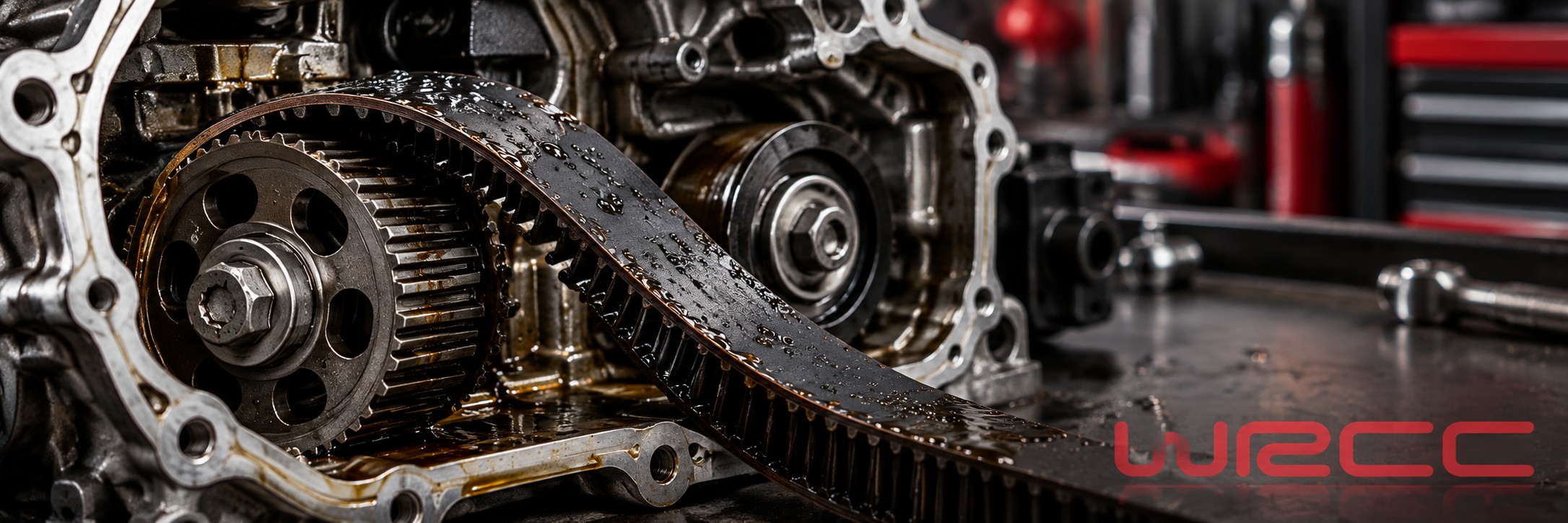
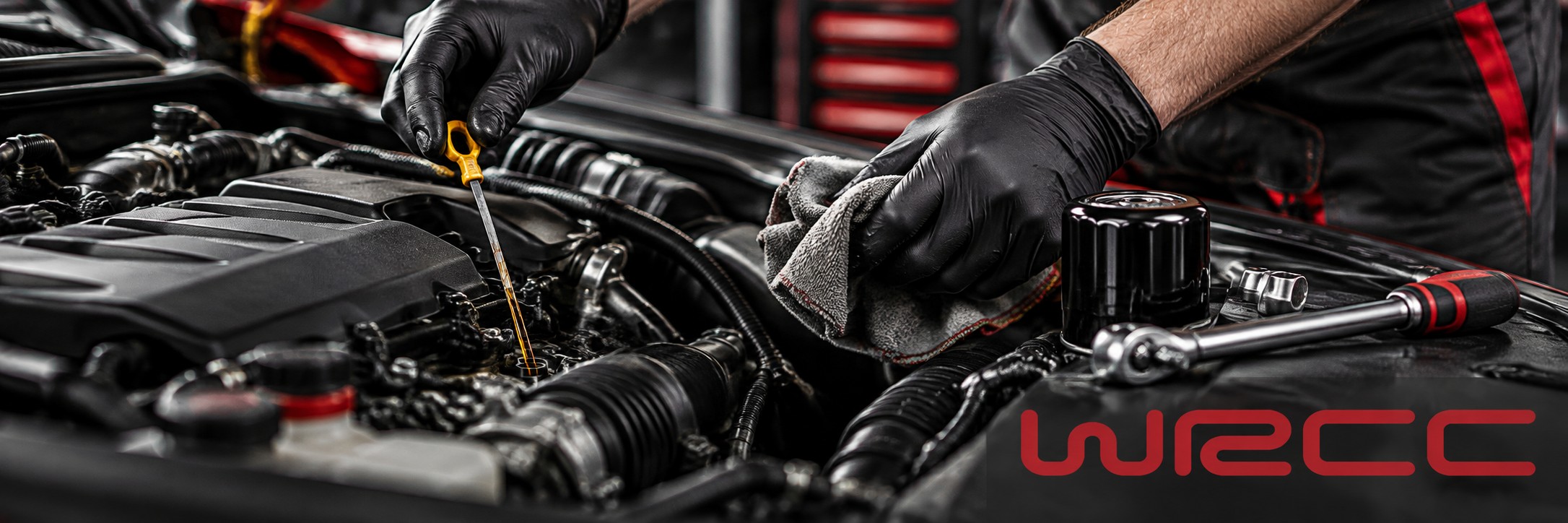
Illustrative wet belt replacement work with a WRCC watermark
Illustrative service image.

Why the correct maintenance matters

The belt works in an oil-immersed environment. The correct oil specification and service schedule therefore matter to wet belt maintenance. Follow the guidance for your particular vehicle rather than a general interval found online.

A deteriorating belt can release material into the oil system. Replacement planning should take account of the engine and its maintenance history, including any previous belt work.

Not all cars use a wet belt. Check the owner’s handbook or manufacturer information, or give WRCC your registration and engine details when making an enquiry.
Illustrative automotive workshop with a WRCC watermark
Illustrative service image.

Prepare for a wet belt enquiry

  • Your registration, make, model and engine information.
  • The current mileage and age of the vehicle.
  • Invoices or records for previous belt replacement.
  • Oil-change history and the oil specification used, if known.
  • Any warning lights or changes in engine behaviour.

These details help make the conversation specific to your engine. If an oil-pressure warning appears, follow the vehicle handbook’s instructions and seek assistance rather than relying on an online diagnosis.

Questions about this service

How often should a wet belt be changed?

There is no single interval for every vehicle. Refer to the manufacturer’s schedule for the exact engine, and discuss its age, mileage and history with WRCC.

Is wet belt replacement the same as an oil change?

No. An oil change is routine maintenance; replacing the belt is separate engine work. Contact WRCC to discuss the service your vehicle needs.

How do I enquire about wet belt replacement?

Contact WRCC with your registration, mileage and service records. The team can discuss your vehicle and the work you are asking about.

Related services

Discuss your vehicle with WRCC

Tell us your car’s registration, make, model, mileage and service history, along with the problem you have noticed. Worcester Road Car Care is based in Bromsgrove and serves customers across the Midlands and wider areas.

Opening hours: Monday–Saturday, 10:00 - 20:00.
Wet belt replacement, explained.

Wet belt replacement starts with identifying the exact engine and understanding its maintenance history. A wet belt is an oil-immersed timing belt, and the relevant instructions depend on the vehicle manufacturer and engine. This guide helps owners prepare a useful enquiry about wet belt replacement in Bromsgrove. It covers the information to collect, the distinctions to understand and the questions to ask before agreeing work, without treating a website description as an assessment of your car.

Read the full guidance

You do not need to know which parts are required before contacting WRCC. The registration, mileage, service records and a clear explanation of your concern are a better starting point than a guessed diagnosis. If your enquiry is preventive, say that you are checking maintenance requirements. If it follows a running problem or a previous assessment, explain that context. These are different starting situations and should not be combined into one assumed repair.

The ten checks below are written for customers in Bromsgrove, the Midlands and wider areas who want to make a well-prepared enquiry. They do not set a universal belt-change interval, specify an oil for every engine or confirm a quote for wet belt replacement. Those decisions need the manufacturer’s information and an agreed scope for the individual vehicle. WRCC service cards remain separate from a specialist wet belt enquiry.

wet belt replacement: oil-immersed timing belt illustration with WRCC watermark
Wet belt replacement: oil-immersed timing belt. Illustrative image.

Wet belt replacement: 1. Identify the engine before checking its belt requirements

Vehicles with similar badges can have different engines and timing systems. Before asking about wet belt replacement, supply the registration and make and model, plus the engine details if you know them. If the vehicle has had an engine change, mention that because the original registration information may not tell the whole story. Do not assume the timing arrangement from a general model discussion on a forum or a picture of a different engine.

The distinction between a wet belt, a conventional timing belt and a timing chain matters. A wet belt operates in engine oil, whereas a chain is a metal timing component. A separate drive belt can also appear on an invoice without being the timing belt. Read the descriptions in your records carefully and preserve their original wording when enquiring. You can use the Timing Chain Replacement page if the engine uses a chain instead.

Read the full guidance

If you cannot establish the system confidently, an enquiry can simply ask for help identifying the appropriate service discussion. Knowing what is uncertain is better than presenting a guess as a fact. Explain whether you are planning maintenance, responding to symptoms or reviewing an earlier recommendation. It gives the team a practical starting point and avoids comparing wet belt replacement information with guidance intended for a completely different timing arrangement.

wet belt replacement: vehicle maintenance and oil checks illustration with WRCC watermark
Wet belt replacement: vehicle maintenance and oil checks. Illustrative image.

Wet belt replacement: 2. Find the manufacturer’s maintenance information

Wet belt replacement intervals must be considered using the current information for the exact vehicle and engine. A single mileage figure repeated online is not a reliable rule for every car. The manufacturer’s handbook and official owner resources are the appropriate starting points. Check whether the instructions include an age limit as well as mileage, and whether there is later information relevant to your vehicle. Share the guidance you have found if it is unclear.

Where a car has covered fewer miles, do not assume that mileage alone settles the maintenance question. Equally, do not decide that a belt must have failed simply because a particular figure has been reached. Scheduled maintenance and assessment of a reported problem are different subjects. The purpose of checking the schedule is to establish what guidance applies, not to make a mechanical conclusion without looking at the individual situation.

Read the full guidance

Bring any record of an earlier wet belt replacement. The date, mileage and work description are all useful because a general service entry may not establish that the timing belt was changed. If the earlier owner told you work was completed but you have no supporting invoice, explain exactly that. Ask which evidence would help the discussion rather than converting an uncertain recollection into a confirmed replacement date.

Wet belt replacement: 3. Keep oil-service records with the belt history

Oil maintenance is relevant to an oil-immersed timing system. Collect the service dates, mileage and invoices that show what was used where that information is available. A brand name alone may not identify the specification, and a generic statement such as “fully synthetic” is not a complete engine-specific maintenance instruction. You are organising evidence for the enquiry, not being asked to select an oil based on this general guide.

If your records show the oil specification, include it in the enquiry alongside the vehicle details. If they do not, bring the original invoice and say that the specification is missing. Gaps or uncertainties should be described clearly. There can be several reasons for an engine concern, and neither an incomplete invoice nor an unfamiliar oil name establishes the cause. Keep the distinction between maintenance history and diagnosis intact.

Read the full guidance

Also mention known work on the engine or lubrication system and provide reports if you have them. A chronological list helps show how events relate to each other: the last service, the first symptom, an assessment and any subsequent repair. Avoid combining those events into a single vague statement that the car “has always been serviced”. The details make a wet belt replacement conversation more useful and allow questions to focus on the information still needed.

wet belt replacement: engine components and rebuilding illustration with WRCC watermark
Wet belt replacement: engine components and rebuilding. Illustrative image.

Wet belt replacement: 4. Explain whether the enquiry is preventive or symptom-led

Some owners ask about wet belt replacement because they are approaching a maintenance requirement. Others enquire after a warning light, unusual noise or running concern. State which situation applies to your car. If there are no symptoms and you are planning scheduled work, that is useful context. If there has been a change in the vehicle’s behaviour, describe it alongside the maintenance question rather than assuming a belt change will automatically address it.

For a symptom-led enquiry, note what happened and when. Was the concern noticed after a service, during a journey, at startup or after the car had been standing? Include whether it was a one-off observation or a repeated change. Do not make additional journeys simply to reproduce a fault for an email. Use the information already available and explain the current status of the vehicle, including whether it has been taken out of use.

Read the full guidance

If another workshop has assessed the engine, provide the findings with their date and any related invoices. Diagnostic codes and written observations should be passed on accurately rather than shortened to a confident repair conclusion. A recommendation for wet belt replacement may sit alongside other findings that matter to the scope. An organised enquiry makes that relationship clearer and helps distinguish the work being discussed from the condition of the whole engine.

5. Understand what a general guide cannot assess

A page about wet belt replacement cannot show the condition of the belt inside your own engine. An illustrative image explains the subject of the service but is not an inspection result. Similarly, a photograph shared online from another vehicle cannot establish the condition of yours. Use guides to prepare questions and understand terminology. Use vehicle-specific assessment and manufacturer information when deciding which work is appropriate.

Symptoms can have several causes, and the absence of an obvious symptom does not replace the maintenance schedule. Both points matter. It is unhelpful to assume that every running issue is a belt problem, and equally unhelpful to assume that a car needs no maintenance because it appears to run normally. The enquiry should describe the evidence and the schedule you have, leaving the repair discussion to address the actual vehicle.

Read the full guidance

Do not dismantle components, alter settings or try an improvised check merely to complete an enquiry form. This is a preparation guide for owners, not a workshop procedure. If the vehicle has already been examined, the existing report is the useful material to share. If you are unsure about safe use, obtain appropriate advice and use the handbook rather than treating a web article as approval to keep driving.

wet belt replacement: workshop and vehicle care illustration with WRCC watermark
Wet belt replacement: workshop and vehicle care. Illustrative image.

6. Ask for a clear wet belt replacement scope

The term wet belt replacement names a service category; it does not tell you everything included in an individual proposal. Ask which components, labour and associated items are covered for your vehicle. Different engines and findings can lead to different scopes. A clear written description helps you understand the proposed work and compare it with another offer without assuming that both headline prices refer to an identical job.

Useful questions include whether an assessment is needed first, which related items are included and how additional findings would be handled. Ask what would require a further decision from you if the scope changes. Do not infer a complete procedure or parts list from a general webpage. WRCC’s proposed work for your vehicle is the relevant source of those details, and any uncertainty should be clarified before relying on a figure or appointment arrangement.

Read the full guidance

If routine servicing is also due, mention it as a separate request. A wet belt job and a general service may be discussed together, but one should not be assumed to include the other. The Car Services page explains the available service categories. Ask how any combined work would be described and priced so that your understanding matches the proposal made for the car.

7. Compare the right service and price

The service cards on the WRCC website do not establish the price of specialist wet belt replacement. They describe separate service offers. An Engine Change card, Oil Change card or general Repair Service card should not be treated as a full wet belt quote. For a vehicle-specific amount, give the team the relevant details and ask about the work under discussion. Keep the price and scope together when reviewing a proposal.

If you are comparing quotations, check the engine identification, included parts, labour and any separately charged items. Ask directly about matters such as assessments, tax treatment or transport arrangements when they affect your decision. Those details cannot be inferred from a general guide. A written comparison is often more useful than remembering two headline figures because it shows whether the same outcome and work are actually being offered.

Read the full guidance

You can explain your priorities without selecting a repair yourself. For example, you may be planning maintenance for a vehicle you expect to keep or reviewing a recommendation after buying a used car. The useful discussion concerns the history, condition and appropriate scope. The website does not promise a particular saving, turnaround or result for every engine, and it does not make the financial decision about your individual vehicle.

wet belt replacement: vehicle maintenance and oil checks illustration with WRCC watermark
Wet belt replacement: vehicle maintenance and oil checks. Illustrative image.

8. Prepare a practical enquiry for WRCC

For a wet belt replacement enquiry, start with registration, make, model and mileage. Add the reason for contacting the team, the service history and any available assessment. A short opening summary followed by a chronological list is easier to follow than several unrelated messages. If something is unknown, mark it as unknown. You do not need to delay the first conversation until you have a perfectly complete set of documents.

Email info@wrcc.uk, call 01527 337 128 or use the Contact page. The website lists opening hours as Monday–Saturday, 10:00 - 20:00. An enquiry is a request to discuss the vehicle; it is not an automatic booking, confirmation of availability or agreed repair scope. Keep any appointment details provided by the team with the enquiry so that practical arrangements are clear.

Read the full guidance

Before travelling from outside Bromsgrove, confirm directions and the arrangements relevant to bringing your car. If the vehicle cannot be driven or is at another workshop, explain that early and ask which transport arrangements you need to make. Do not assume recovery, collection or delivery is included. Planning how the vehicle reaches the workshop is a separate practical question from determining what repair it needs.

9. Preserve the history after agreed work

Following an agreed wet belt replacement, retain the work description, date and mileage with the vehicle records. Ask about wording on the invoice that you do not understand. Future owners and workshops will be better able to distinguish the timing-system work from routine servicing or a separate drive-belt change when the original paperwork is available. A useful record describes what happened rather than relying on the broad statement that the belt was “done”.

Keep subsequent oil changes and other maintenance in the same file. The manufacturer’s requirements for the exact engine remain the starting point for ongoing care, alongside any information supplied for the completed work. A replacement does not make the rest of the maintenance schedule irrelevant. Avoid assuming a universal future interval from a guide about another vehicle, even if its model name or engine size appears similar.

Read the full guidance

If a later concern arises, record it as a new observation and note when it began. Share the earlier repair paperwork as context without assuming either that the new issue is related or that it cannot be related. That distinction keeps the next enquiry evidence-based. The Car Care Advice page provides further guidance on describing concerns and preparing vehicle information in a form that is useful for a service conversation.

wet belt replacement: engine components and rebuilding illustration with WRCC watermark
Wet belt replacement: engine components and rebuilding. Illustrative image.

10. Use reliable records and choose the next service page

Your handbook and the manufacturer’s official owner information are the appropriate places to check engine-specific schedules and specifications. If information differs between sources, record the discrepancy and ask about it. A general wet belt replacement guide can help you identify the question, but it should not replace the actual requirements for your engine. Keep a link or a copy of the guidance you used so that the enquiry refers to the same information.

The GOV.UK MOT history checker can supply recorded test mileage and past results where available. It is useful context, but it is not proof that an oil service or wet belt replacement was completed. Pair it with invoices and service records. For general responsibilities around vehicle condition, the GOV.UK roadworthiness guidance explains why everyday safety checks remain relevant alongside an MOT certificate.

Read the full guidance

If the concern is wider internal engine damage, the Engine Rebuilds page is another useful starting point. For cooling-system and gasket concerns, see Head Gasket Repair. Otherwise, contact Worcester Road Car Care with your vehicle details to discuss wet belt replacement in Bromsgrove. The aim is a clear next conversation about the car, the evidence available and the work appropriate to it.

Let’s discuss your vehicle.

Share your registration, mileage and the work you want to discuss. WRCC is open Monday–Saturday, 10:00 - 20:00.