-

Call Us Now
01527337128 -

Hours
Monday-Saturday, 10:00-20:00
Call Us Now
01527337128
Hours
Monday-Saturday, 10:00-20:00
Contact WRCC to discuss engine repairs, routine vehicle care or a service question for your car. Worcester Road Car Care is based in Bromsgrove and serves customers across the Midlands and wider areas. You can call 01527 337 128, email info@wrcc.uk or use the enquiry form on this page. Listed opening hours are Monday–Saturday, 10:00 - 20:00. The guide below helps you prepare information and confirm practical details without needing to diagnose the vehicle yourself.
A first enquiry is a request for a conversation. It does not automatically reserve an appointment, confirm a repair scope or establish a completion time. You can contact the team with a maintenance question, an observation or a written recommendation from another workshop. State what is known and what remains uncertain. The useful next step is to connect the service topic with the individual car and the information available.
The five steps below explain how to identify the enquiry, collect relevant records, choose a contact route, discuss arrangements and keep a follow-up clear. They do not set new prices or unconfirmed terms for an individual job. The website’s seven general vehicle care services remain separate from specialist repair proposals. Contact WRCC directly for the details applicable to your vehicle and keep those details alongside the work description.
Start with registration, make, model and current mileage. Include engine information if you know it, especially when the enquiry concerns internal engine work or the timing system. Mention a previous engine change where relevant. Similar vehicle names can involve different engines, so a badge or approximate year may not establish the exact requirements. If you are unsure of a detail, say that rather than select a specification from a discussion about another car.
Explain why you are contacting the team. A routine maintenance request, checking a manufacturer’s interval and responding to a warning are different starting situations. A short opening summary gives the enquiry a clear purpose. For example, you might be asking about an oil-service offer or about the next step after a written engine assessment. You do not need to know the final repair category before making contact.
Describe symptoms as observations, not assumptions. Note what changed, when it began and the circumstances you already know. A sound after startup or a reported temperature warning communicates useful information without establishing a particular fault. If a workshop supplied a diagnosis, make clear that you are passing on its findings. If no assessment has happened, say so and ask about the appropriate next conversation.
WRCC’s specialist pages cover Engine Rebuilds, Timing Chain Replacement, Wet Belt Replacement and Head Gasket Repair. These pages help explain the subject and enquiry preparation. They do not diagnose a fault by matching a symptom, and several related observations should be shared together rather than assumed to require several separate jobs.
The Car Services page shows the general offers in a service overview. If you are using one of those cards as your starting point, state its name and ask about the included work for your enquiry. A broad repair or check category does not define every possible job. Keep the service name linked to the work being discussed rather than extend it to a different specialist quote.
Also state whether the vehicle is running, parked, non-running or at another workshop. This is practical information for discussing the next step. Do not make additional journeys merely to reproduce a concern for the form. Where safe operation is uncertain, obtain appropriate advice and use the handbook rather than treat a website message as permission to drive. The enquiry should describe the situation you actually have.
Collect relevant invoices, service-book entries and available digital records. Dates and mileage help show the sequence of maintenance, the first symptom, an assessment and any subsequent work. A chronological list is often easier to understand than a collection of screenshots sent without context. You can begin with partial records, but distinguish what is documented, what you observed and what remains uncertain about the vehicle.
Keep original work descriptions. A note that a belt was changed may concern a separate drive belt rather than the engine’s timing system. An oil-service invoice may not identify the specification, and a general repair entry may not show that a complete engine rebuild took place. Preserve those distinctions when you contact WRCC. If wording is unclear, include it as written and ask which additional information would help.
If another workshop has assessed the car, retain its report and date. State what work happened afterwards so that earlier findings are not presented without their context. Diagnostic codes, photographs and observations may support a discussion but do not necessarily explain the complete mechanical condition on their own. Supply them accurately rather than turn an isolated code into a confident repair conclusion.
You do not need to attach a complete archive before contacting the team. Begin with a concise summary and explain which records are available. Ask what would be useful for the next step, especially before sending large recordings or several unrelated images. The purpose is to make the service discussion clearer, not to require owners to prepare a technical report themselves.
If you are looking at maintenance requirements, keep the manufacturer’s handbook or official source information alongside the enquiry. Requirements depend on the exact vehicle and engine. A general internet interval is not a rule for every car. When sources appear to disagree, record the difference and ask about it instead of selecting the one that seems most convenient. Clear questions are easier to discuss than unsupported assumptions.
For background mileage and past test results, the GOV.UK MOT history service can be useful. It does not prove that servicing or an engine repair was completed, so use it alongside invoices. Do not send unnecessary personal documents to explain a vehicle concern. Registration, history and service information are the practical starting points for a contact conversation about the work your car may need.
Call 01527 337 128 when you want to introduce the enquiry by phone. Have the registration and a short summary available so that the subject is clear. If your question refers to a particular website offer or specialist page, name it. Where the discussion includes documents or several dates, ask how best to provide the supporting information instead of trying to remember every detail during one conversation.
Email info@wrcc.uk when you prefer to set out the information in writing. A useful subject line identifies the vehicle or service topic, such as a timing-system enquiry or routine servicing question. Start the message with the registration and reason for contacting the team, then add the relevant history. A clear sequence is easier to follow than a long message that begins with a guessed diagnosis and only later identifies the car.
The website enquiry form is another route to contact WRCC. Complete the requested fields accurately and use the message to explain the service or concern. Check the contact details you enter so that the information needed for a response is correct. The form introduces a discussion; it should not be treated as an automatic service booking or an agreement to a repair proposal that has not yet been described.
The website links to WRCC on Facebook and WRCC on Instagram. These are the social destinations supplied for the business. A general image or post can provide context, but it does not establish a price, scope or appointment for your individual vehicle. Use the phone, email or form routes for the detailed service discussion.
Listed opening hours are Monday–Saturday, 10:00 - 20:00. The website does not promise a response within a particular period or availability for every requested date. If timing affects your enquiry, explain what you need to confirm. Keep practical questions distinct from the repair description so that an opening-hours listing is not mistaken for an accepted appointment or a guaranteed completion schedule.
If you have already made contact, include a short summary of the previous conversation when following up. Mention what new information has become available and which question remains. This is more useful than sending a new attachment without context or repeating the whole history in several separate messages. Clear continuity helps the next discussion stay focused on the same vehicle and agreed subject.
For specialist repairs, ask about the scope appropriate to your vehicle and the information needed before a proposal can be made. A service name does not define identical work for every engine. Clarify which components, labour and associated items are included and which remain outside it. If an assessment is needed first, understand that stage rather than assume an initial enquiry already establishes a complete repair commitment.
Explore Car Inspection, Engine Change, Repair Service, Full Car Check, Oil Change, Air Conditioning and Winter Checks on the Services page. Contact WRCC for a current quote based on your vehicle and the work required. Specialist engine rebuilds, timing chains, wet belts and head gaskets need a separate vehicle-specific enquiry.
When reviewing amounts, keep them with the written work description. Ask how additional findings would be communicated if the scope changes and raise separately requested maintenance. Confirm tax treatment or other practical details directly where they affect your decision. The website does not set universal warranty terms, transport inclusions or turnaround periods. Those details need to come from the proposal and arrangements applicable to your own enquiry.
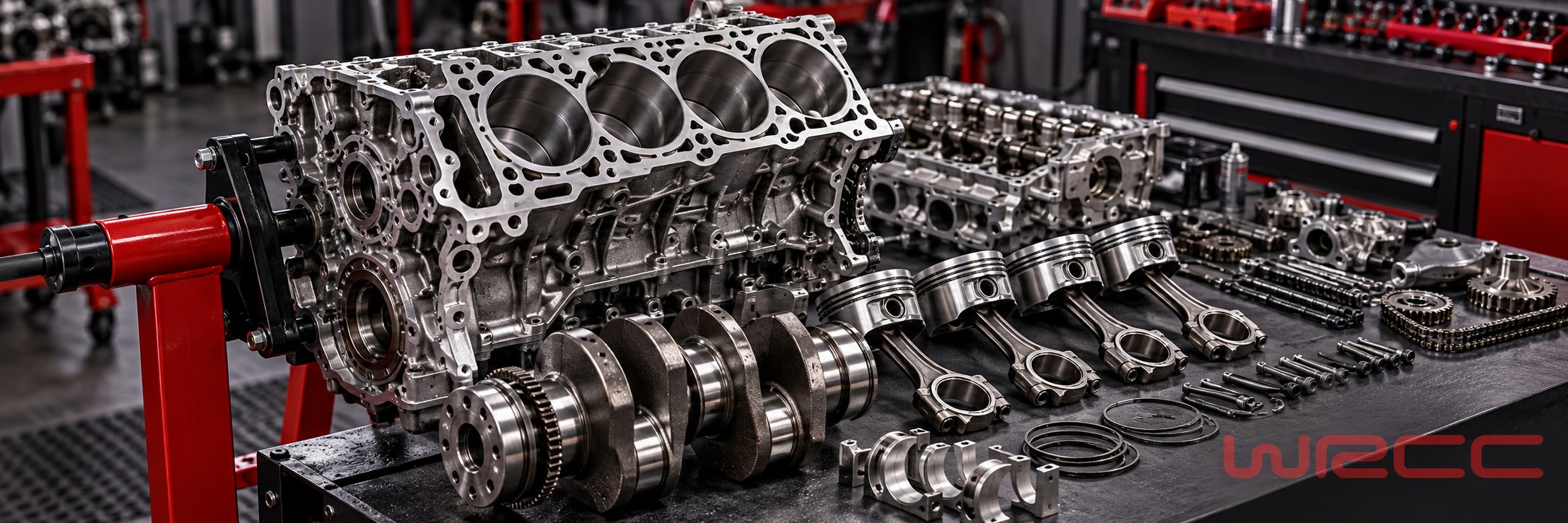
Before bringing a vehicle to Worcester Road Car Care in Bromsgrove, confirm availability, directions and arrival arrangements. This is especially useful for customers travelling from elsewhere in the Midlands or wider areas. Do not infer a street address from an illustrative workshop image. The generated pictures explain service subjects and do not establish directions or a record of work on your vehicle.
If the car cannot be driven or is already at another workshop, explain that early. Ask which transport arrangements you need to make rather than assume recovery, collection or delivery is included. If the engine has already been removed or the enquiry concerns a component, describe that situation. Practical arrangements should fit the actual vehicle and proposal, not an assumed standard visit.
Keep the confirmed details with your enquiry records. Opening hours, a service card and an initial message are different from an accepted appointment. Clear information about what has been discussed prevents those stages from becoming confused. For general vehicle-condition responsibilities, GOV.UK roadworthiness guidance is a useful reference, while any individual assessment or safe-use question needs the appropriate vehicle-specific advice.
After a service discussion, retain the proposal and the work description together. If wording is unclear, ask for it to be explained before relying on the amount or scope. If new findings or another symptom arise, describe what changed and when. Do not assume that every later concern is connected to an earlier repair, or that it cannot be connected. Accurate observations and records give the next conversation a reliable starting point.
Following agreed work, keep the invoice, date and mileage with the maintenance history. The original description is more useful than a general note that the car or engine was “done”. Ask for any vehicle-specific maintenance or aftercare information that applies to the actual job. This guide does not set universal service intervals or running instructions. Manufacturer requirements and information supplied for your vehicle should remain with the records.
The Car Care Advice page explains further ways to organise history and prepare service questions. You can return to the homepage to find the main specialist pages and general offers. Keeping the website’s information connected with your own documents helps future enquiries remain about the actual car rather than assumptions based on a service label or an unrelated example.
You may not know whether the car needs routine servicing, a timing-system assessment, gasket work or a wider engine discussion. That uncertainty is a valid starting point. Contact WRCC with the registration and reason for the conversation, explain what information you have and ask about the next appropriate step. You do not need to choose a final repair merely to use the form or make a call.
If a maintenance schedule is unclear, provide the engine details and the manufacturer information you are checking. If an assessment recommends substantial work, share the original findings. If you have only symptoms, describe them without presenting a diagnosis. These different enquiries all benefit from the same basic habit: keep observations, documented conclusions and unanswered questions distinct.
Worcester Road Car Care brings over 20 years of engine rebuilding experience to customers in Bromsgrove and wider areas. Use the contact routes at the top of this page to discuss your vehicle. The next useful conversation connects its history, the service topic and the practical arrangements so that the work and proposal can be understood in the context of your own car.