• Call Us Now
    01527337128

  • Hours
    Monday-Saturday, 10:00-20:00

Illustrative engine timing chain and sprockets with WRCC watermark

Timing Chain Replacement in Bromsgrove

Timing Chain Replacement in Bromsgrove

Timing chain replacement and repair.

Looking for timing chain replacement in Bromsgrove? Contact WRCC to discuss your vehicle, its service history and any engine noises or performance changes you have noticed.

A timing chain helps keep the crankshaft and camshaft in synchronisation. Correct engine timing matters because the valves and pistons must move in the intended sequence.
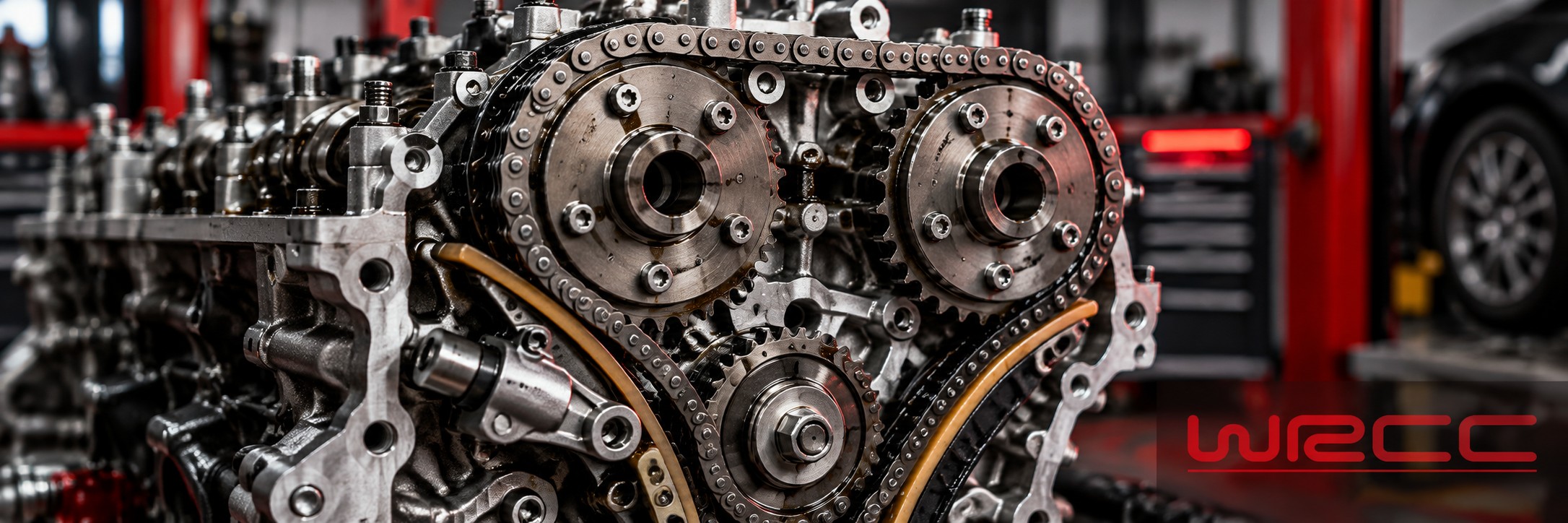
Illustrative timing chain and engine components with a WRCC watermark
Illustrative service image.

What to discuss when a timing chain is a concern

A persistent rattle or ticking noise can have several causes, including a worn or loose timing chain. It should be assessed rather than assumed to be a chain fault. Tell us whether the noise appears on startup, at idle or while driving.

  • Describe the sound and when you hear it.
  • Share any engine warning lights or existing diagnostic information.
  • Bring your oil-change history and current mileage.
  • Tell us about any previous chain, tensioner or engine work.
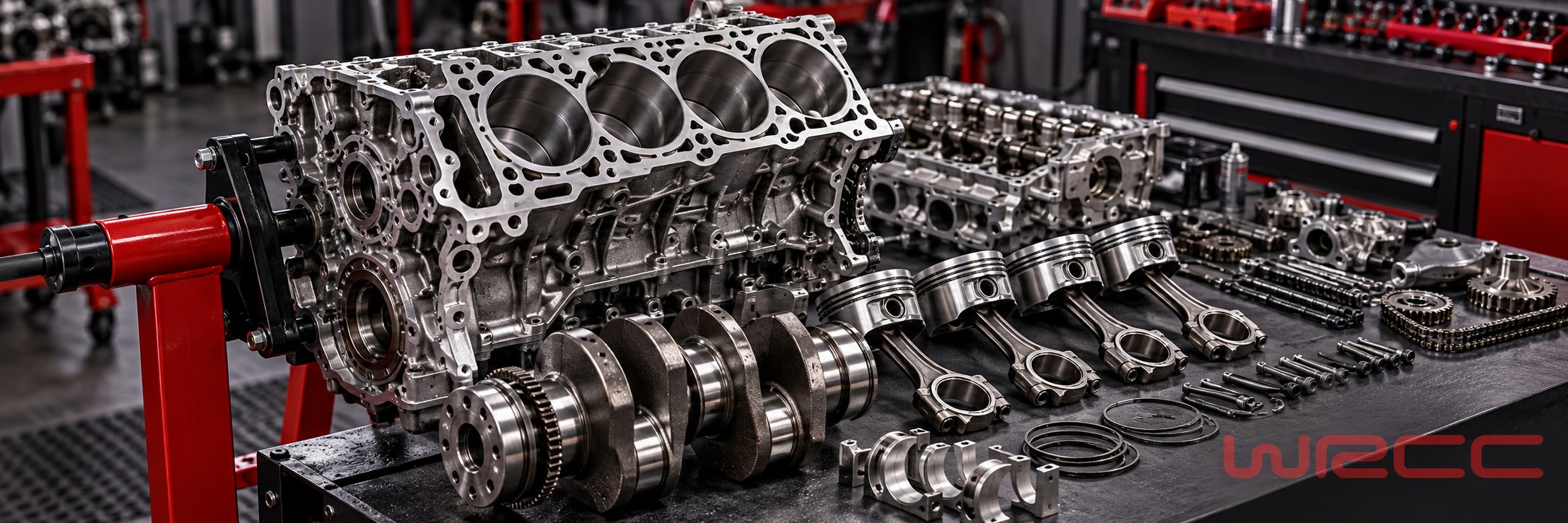
Illustrative engine components for discussing timing chain repairs
Illustrative service image.

Timing chains and engine maintenance

A timing chain is made from metal links and runs on sprockets. It is different from a reinforced rubber timing belt. Depending on the engine, the chain system also includes guides and tensioners. Chain, guide and tensioner requirements should be assessed together; a rattling sound alone does not confirm which part needs repair.

For conventional dry cambelts, see our Timing Belt Replacement page. Oil-immersed belts are covered separately on the Wet Belts page.

Timing chains run inside the engine and rely on engine oil for lubrication. Following the vehicle manufacturer’s oil specification and maintenance guidance is relevant to chain care.

Replacement requirements depend on the vehicle and the condition of the system. Avoid applying a universal mileage interval to every engine. Use the manufacturer’s guidance and discuss any symptoms with the team.

If your vehicle uses an oil-immersed belt instead of a chain, see our wet belt replacement page.

Questions about this service

Does every car have a timing chain?

No. Engines can use a timing chain, a conventional timing belt or an oil-immersed wet belt. Check your vehicle’s handbook or supply the registration and engine details when enquiring.

Does a rattling engine always need a new chain?

No. A noise alone does not confirm the cause. Describe it to WRCC and discuss the assessment and repair scope your vehicle needs.

What is the price of timing chain replacement?

The required work depends on the vehicle. Contact WRCC for a vehicle-specific enquiry; the general services on our Services page are separate from a timing chain replacement quote.

Related services

Discuss your vehicle with WRCC

Tell us your car’s registration, make, model, mileage and service history, along with the problem you have noticed. Worcester Road Car Care is based in Bromsgrove and serves customers across the Midlands and wider areas.

Opening hours: Monday–Saturday, 10:00 - 20:00.
Timing chain replacement, explained.

Timing chain replacement is an important repair to discuss in the context of the whole vehicle. A model name, a noise description or a mileage figure on its own cannot establish which parts need attention. This guide helps you organise the information that matters, understand the questions to ask and use the WRCC service pages effectively. It is written for vehicle owners considering timing chain replacement in Bromsgrove and customers travelling from the Midlands or wider areas.

Read the full guidance

You can start an enquiry without knowing technical terminology. Describe what you have noticed in ordinary language, provide the registration and explain any work already carried out. Where you have a written assessment, share its findings rather than trying to translate them into a diagnosis. The purpose of the first conversation is to establish a useful starting point and the next step appropriate to your car.

The ten checks below are preparation points, not instructions for dismantling an engine. Exact maintenance requirements come from the manufacturer’s information for the particular engine. A repair scope, price, availability and arrangements for bringing the vehicle to WRCC must be confirmed directly. The illustrative images on this page show the subject of the service; they do not document work performed on your individual vehicle.

timing chain replacement: timing chain and sprocket assembly illustration with WRCC watermark
Timing chain replacement: timing chain and sprocket assembly. Illustrative image.

Timing chain replacement: 1. Confirm which timing system your engine uses

Before planning timing chain replacement, establish whether your engine actually uses a chain. Cars with similar names can have different engines, and those engines can use different timing systems. A vehicle’s badge or year may narrow the possibilities, but it is not a substitute for identifying the engine. Supply the registration, make, model and any engine details shown in your records. If you are unsure, say so rather than selecting a repair category simply because the symptoms sound familiar.

A timing chain, a conventional timing belt and a wet belt are different components. An oil-immersed wet belt belongs to a different service discussion from a metal chain. The word “timing” connects them because both concern the coordinated movement of engine components, but that does not make their repair procedures interchangeable. The Wet Belt Replacement page is the useful starting point when your engine uses that system.

Read the full guidance

Check any earlier invoices for the exact description of work. “Belt replaced” might refer to a separate drive belt rather than the engine’s timing system. Similarly, an invoice mentioning a tensioner does not necessarily show that the whole timing system was renewed. Read the parts and labour descriptions together. When a record is unclear, keep the original wording in your enquiry and ask what additional information would help establish the history.

timing chain replacement: engine components and rebuilding illustration with WRCC watermark
Timing chain replacement: engine components and rebuilding. Illustrative image.

Timing chain replacement: 2. Describe the noise before deciding on a repair

A rattle, ticking sound or change in engine noise can prompt a timing chain replacement enquiry, but a sound is not a confirmed diagnosis. Different engine components can produce noises that an owner describes in similar terms. A useful enquiry separates observation from assumption: “a rattle for a few seconds after starting” communicates more than “the chain has failed” when no assessment has taken place. Tell the team what you heard, when it began and whether it has changed.

Note whether the noise happens during a cold start, after the vehicle has warmed up, at idle or while driving. Include how often you notice it and whether any other changes happen at the same time. You do not need to reproduce a problem or make additional journeys to gather this information. Use observations you already have. If the vehicle has been taken out of use, explain that clearly so the discussion can include practical arrangements.

Read the full guidance

A recording can sometimes help communicate a sound, but it does not replace an assessment and may not reproduce what you hear in person. Ask WRCC whether a recording would be useful before sending a large file. If you have already been given diagnostic results, provide the report alongside the description. Keep the date and circumstances of the report because findings made before later repair work may need to be understood in that sequence.

Timing chain replacement: 3. Bring together the maintenance records

Service records help put a timing chain concern in context. Gather invoices, service-book entries and any accessible digital history, particularly information about oil changes and previous engine work. Record the current mileage and the date or mileage of the last service where these are known. If there are gaps in the history, describe them openly. An incomplete history is useful information in itself; it should not be replaced with an assumed maintenance interval or an estimate presented as fact.

Look for the actual oil specification recorded on invoices rather than relying only on a familiar brand name. Engine maintenance guidance is specific to the vehicle and engine. If the invoice does not state the specification, bring the invoice anyway and explain what is missing. You are preparing a history for discussion, not being asked to decide whether a particular product caused a fault. That decision cannot be made from a label or a short online description alone.

Read the full guidance

Keep records of earlier timing chain replacement, related parts and subsequent servicing together. A date without the accompanying work description can be misleading. Was the job a complete replacement, an investigation, a partial repair or an unrelated belt change? The distinction matters when explaining what has already been done. A short chronological list of work is often easier to follow than a collection of screenshots sent without context.

timing chain replacement: vehicle maintenance and oil checks illustration with WRCC watermark
Timing chain replacement: vehicle maintenance and oil checks. Illustrative image.

Timing chain replacement: 4. Record warning lights and changes in performance

Tell WRCC about warning lights, starting difficulties, changes in running or other engine behaviour alongside the noise history. Use the wording or symbol you saw where possible. A warning light alone does not identify the repair required, and an online list of possible causes should not be treated as a conclusion about your car. The practical goal is to describe the whole situation so that the next conversation starts with the evidence available.

If you have diagnostic codes, include them exactly as reported and state who obtained them and when. A code is a piece of information, not a complete description of a mechanical fault. Also note whether codes were recorded before or after any repairs, battery changes or other events you know about. Do not clear information or alter the vehicle’s settings just to prepare an enquiry. Existing reports are more useful when their original context remains clear.

Read the full guidance

Explain whether the car is currently being used, parked or already at another workshop. If it is not running, say whether that followed a sudden event or a gradual change. Avoid making assumptions about the condition of internal components. If there are immediate concerns about safe use, use professional advice and the vehicle handbook rather than treating a website enquiry as permission to continue driving. Practical transport arrangements can be discussed separately from the likely repair scope.

5. Separate timing chain replacement from wider engine work

Timing chain replacement and an engine rebuild are different service enquiries, even when they relate to the same engine problem. A chain repair concerns the timing system; a rebuild concerns a wider agreed scope of internal engine work. Which route is appropriate depends on the vehicle and the assessment. The presence of a chain concern does not automatically mean that a complete rebuild is necessary, just as fitting a chain cannot be assumed to resolve every engine fault.

If another workshop has recommended wider work, obtain the written explanation where available. Ask which findings support that recommendation and whether alternative scopes have been discussed. This is a way to understand the proposal, not a reason to dismiss professional findings. A useful second enquiry includes the report and the symptoms that prompted the first assessment. It gives WRCC a clearer basis for discussing what further information or inspection may be needed.

Read the full guidance

The Engine Rebuilds page explains how to prepare for that wider conversation. Keep related issues connected in your enquiry rather than requesting separate jobs as though their causes were already established. For example, a history of overheating, oil concerns and unusual noise should be shared together. It helps distinguish the repair you are asking about from the outcome you hope to achieve: a clear understanding of your vehicle and the work it needs.

timing chain replacement: workshop and vehicle care illustration with WRCC watermark
Timing chain replacement: workshop and vehicle care. Illustrative image.

Timing chain replacement: 6. Ask what the proposed scope includes

When timing chain replacement is being discussed, ask for a clear description of the proposed work. The name of a service is a category, not a complete parts list. You should understand which components, labour and associated items are included in the particular proposal and which remain outside it. Different vehicles and findings can require different scopes, so compare written descriptions rather than assuming every offer called “timing chain replacement” covers exactly the same work.

Useful questions include whether an assessment is needed first, which related parts are included and how any additional findings would be communicated. Ask what happens if the agreed scope changes after closer examination. Keep decisions in the context of the actual vehicle and report. This page does not promise a particular replacement kit, test method or repair procedure; those details need to come from the proposal made for your car.

Read the full guidance

Also distinguish the repair itself from optional or separately requested maintenance. If a routine service is due, mention it, but do not assume it is automatically included. The Car Services page explains the available vehicle care services. Discuss any combination of work with the team so that the price and scope are understood together rather than inferred from several separate website cards.

7. Understand how to compare service proposals responsibly

The timing chain replacement price for your car needs a vehicle-specific discussion. It should not be inferred from a general engine-change, inspection or repair-service card. The vehicle care services elsewhere on the WRCC website are separate published service categories. If you are comparing a quote with another proposal, match the vehicle details, parts and labour scope first. A smaller headline amount is not a meaningful comparison if the work described is different.

Ask whether the quoted figure includes the items relevant to your agreed job and whether any additional work would require a further decision. Where tax treatment, assessments, collection or other arrangements matter to you, ask for clarification directly. The website does not establish those details for an individual enquiry. Keeping a written description of the scope alongside the amount makes it easier to review the proposal and avoids relying on a number remembered from a phone conversation.

Read the full guidance

Share your priorities honestly. You may be deciding between repairing a car you intend to keep and considering a different vehicle. The useful conversation concerns the condition, proposed work and information available, not an automatic promise that every repair is the best financial choice. WRCC can be contacted to discuss your particular situation. An online guide cannot determine the value of your vehicle or make that decision on your behalf.

timing chain replacement: engine components and rebuilding illustration with WRCC watermark
Timing chain replacement: engine components and rebuilding. Illustrative image.

8. Plan the enquiry and arrival arrangements

Start with the essential information: registration, make, model, mileage, symptoms and the service you want to discuss. Then add the history and reports that explain the context. A clear subject line such as “timing chain replacement enquiry” helps identify the topic of an email, while the registration distinguishes your vehicle from others with the same model name. You can contact WRCC at info@wrcc.uk or call 01527 337 128.

Opening hours shown on the website are Monday–Saturday, 10:00 - 20:00. These are contact hours, not a guarantee of appointment availability or a stated repair completion time. Confirm arrangements before travelling, especially if you are coming from outside Bromsgrove. Ask for the workshop directions and the practical details relevant to bringing the car. A web enquiry does not itself reserve a slot or confirm that the vehicle can be accepted at a particular time.

Read the full guidance

If the vehicle cannot be driven or is currently elsewhere, explain that at the start. Ask which arrangements you need to make rather than assuming collection or recovery is included. Keep transport planning separate from diagnosis: the method of getting a car to a workshop does not establish which repair it requires. The Contact page provides an enquiry route when you prefer to send the details in writing.

9. Keep the repair record useful afterwards

After any agreed timing chain replacement, retain the invoice and work description with the service history. Record the mileage and date, along with any maintenance information supplied for your vehicle. This gives future conversations a clearer starting point and helps distinguish a new concern from the earlier job. Ask about anything in the paperwork that you do not understand while the work is fresh in everyone’s mind.

Future maintenance should follow the manufacturer’s requirements for the exact engine and any specific information supplied with the completed work. There is no universal timetable in this guide that replaces those instructions. Avoid assuming that replacing one timing component makes other maintenance unnecessary. Routine care remains a separate subject, and changes in noise, starting or running should be described as new observations rather than treated as a normal consequence without advice.

Read the full guidance

Keep a simple record of subsequent servicing and any later engine-related visits. It need not be complicated: dates, mileage, work carried out and invoices are useful. If you later sell the vehicle, an organised history also helps the next owner understand what was done. The Car Care Advice page offers further practical ways to keep service enquiries and vehicle records clear.

timing chain replacement: vehicle maintenance and oil checks illustration with WRCC watermark
Timing chain replacement: vehicle maintenance and oil checks. Illustrative image.

10. Use dependable references and the right next step

For maintenance schedules and engine-specific instructions, start with the manufacturer’s handbook or official owner information. A guide about timing chain replacement can explain questions to ask, but it cannot set one replacement interval for every engine. Use the exact model and engine information when looking up requirements. If several sources give different advice, bring that uncertainty to the enquiry rather than choosing the most convenient interval.

The GOV.UK MOT history service can help recover recorded mileage and past test information. It does not replace invoices or show that a timing chain has been replaced. Use it as one part of a vehicle’s history, with that limitation understood. For the broader difference between a current test certificate and everyday roadworthiness, see GOV.UK vehicle safety guidance.

Read the full guidance

Your next step is straightforward: share the vehicle details, describe the concern and ask about the assessment or repair discussion appropriate to the car. Worcester Road Car Care is based in Bromsgrove and serves customers across the Midlands and wider areas. Use the contact links above to discuss timing chain replacement, or explore the related specialist services if your vehicle’s timing system or wider engine concern points to a different starting page.

Let’s discuss your vehicle.

Share your registration, mileage and the work you want to discuss. WRCC is open Monday–Saturday, 10:00 - 20:00.