
-

Call Us Now
01527337128 -

Hours
Monday-Saturday, 10:00-20:00
Call Us Now
01527337128
Hours
Monday-Saturday, 10:00-20:00
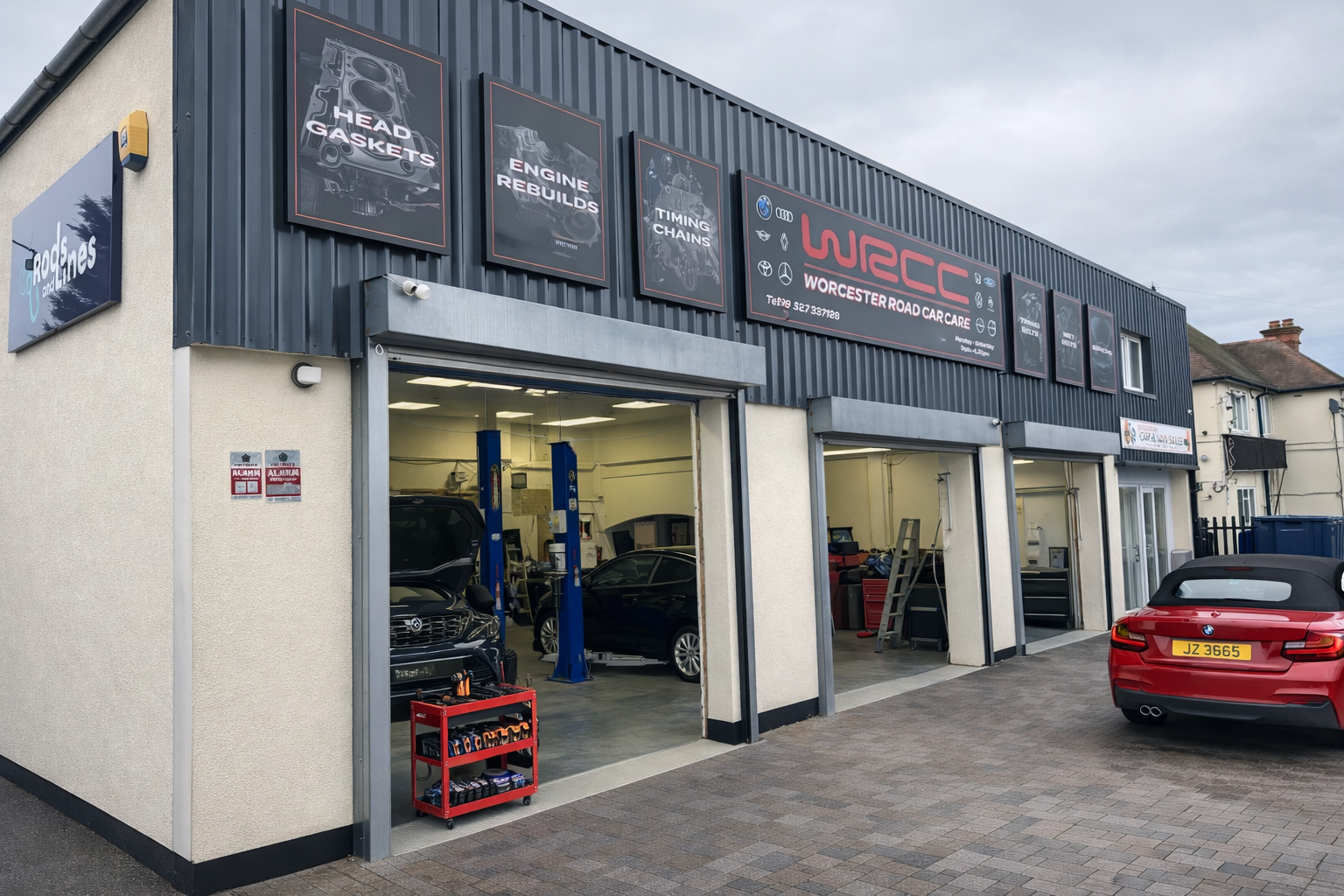
Specialist engine repairs and everyday vehicle care from Worcester Road Car Care. Tell us what your car needs.
Local car care, connected to our Bromsgrove workshop. Explore your area for engine repairs, servicing and a clear next step for your vehicle.
 Bromsgrove
 Kidderminster
 Worcester
 Redditch
 Droitwich
 Birmingham
 Solihull
 Rubery
 Stourbridge
 Bewdley
 Stourport
 Barnt Green
 Kings Norton
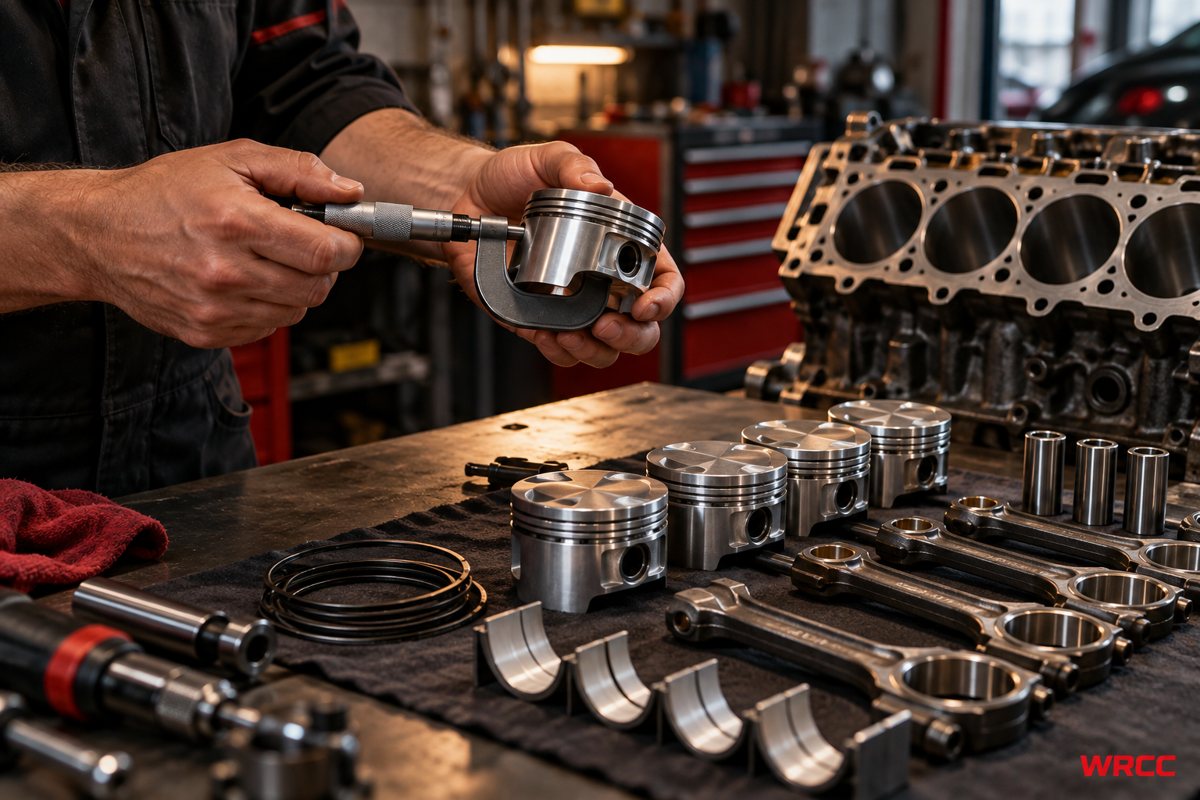
WRCC brings over 20 years of engine rebuilding experience to customers in Bromsgrove, the Midlands and wider areas.
Whether you need an engine rebuild, a specialist repair or routine maintenance, start by telling us about your vehicle. Our service pages explain the work you can discuss with the team.
About Worcester Road Car Care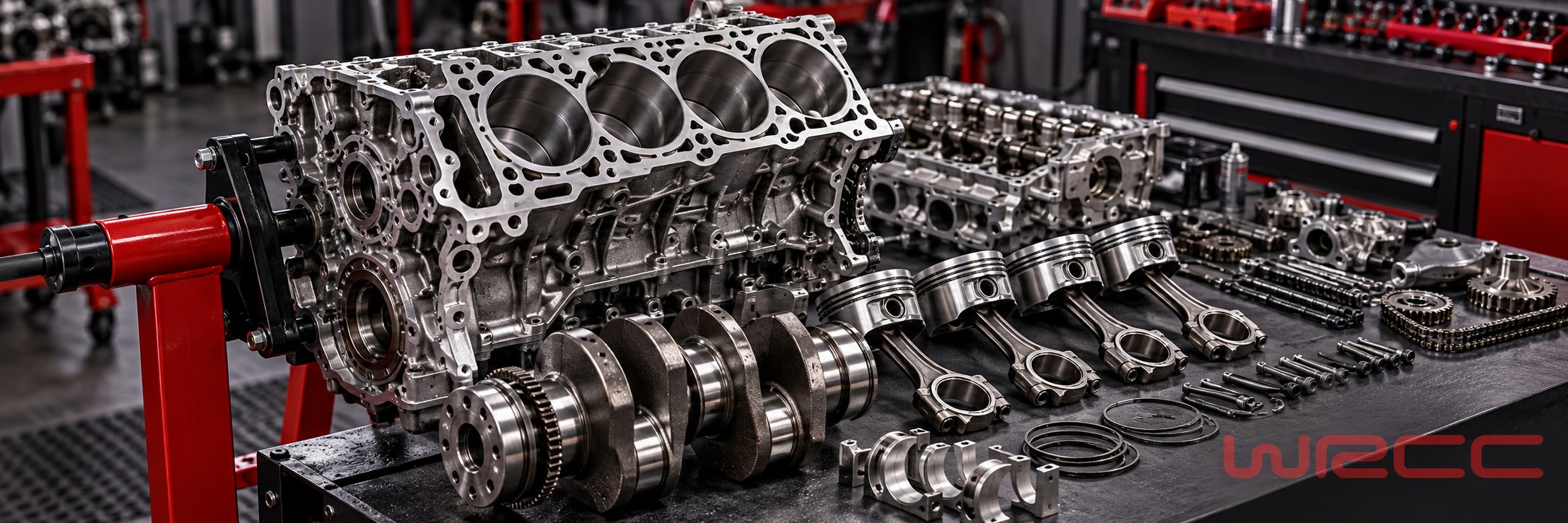
Explore our seven vehicle care services, from car inspections and oil changes to the other vehicle care options listed on our Services page.
Explore all seven servicesContact WRCC to discuss your vehicle and request a current quote.
Find the right service, check the details and prepare your vehicle information for an enquiry.
Ask the WRCC teamExplore Engine Rebuilds, Timing Chains, Wet Belts and Head Gaskets. You can also discuss vehicle servicing with us.
Explore the services on our Services page, then contact WRCC with your vehicle details to request a current quote. Service requirements and costs can change, so confirm the scope directly with the team.
Include your car’s make, model, registration and mileage. Tell us what you have noticed, including any warning lights, noises or changes in performance, and let us know when it was last serviced.
Our listed hours are Monday to Saturday, 10:00 - 20:00. Call 01527 337 128 or email info@wrcc.uk to discuss your car.
Our engine rebuilding work covers the Midlands and wider areas. Contact WRCC to discuss your vehicle and the service you need.
Ready to enquire about a repair or service? Share your vehicle details with Worcester Road Car Care and tell us how we can help.
Send a service enquiry
Engine repairs and routine car servicing involve different decisions, but a clear starting point makes both easier to discuss. Worcester Road Car Care brings over 20 years of engine rebuilding experience to customers in Bromsgrove, the Midlands and wider areas. Our website connects the main specialist services, vehicle care services and practical advice in one place. This guide helps you choose the relevant page and prepare an enquiry that explains what your car needs.
You can begin with a symptom, a maintenance question or an existing assessment. You do not need to select the final repair before contacting WRCC. The aim is to give the team the registration, vehicle history and reason for the conversation. The ten starting points below explain how the pages fit together, what information is useful and which details should be confirmed directly rather than assumed from a website card.
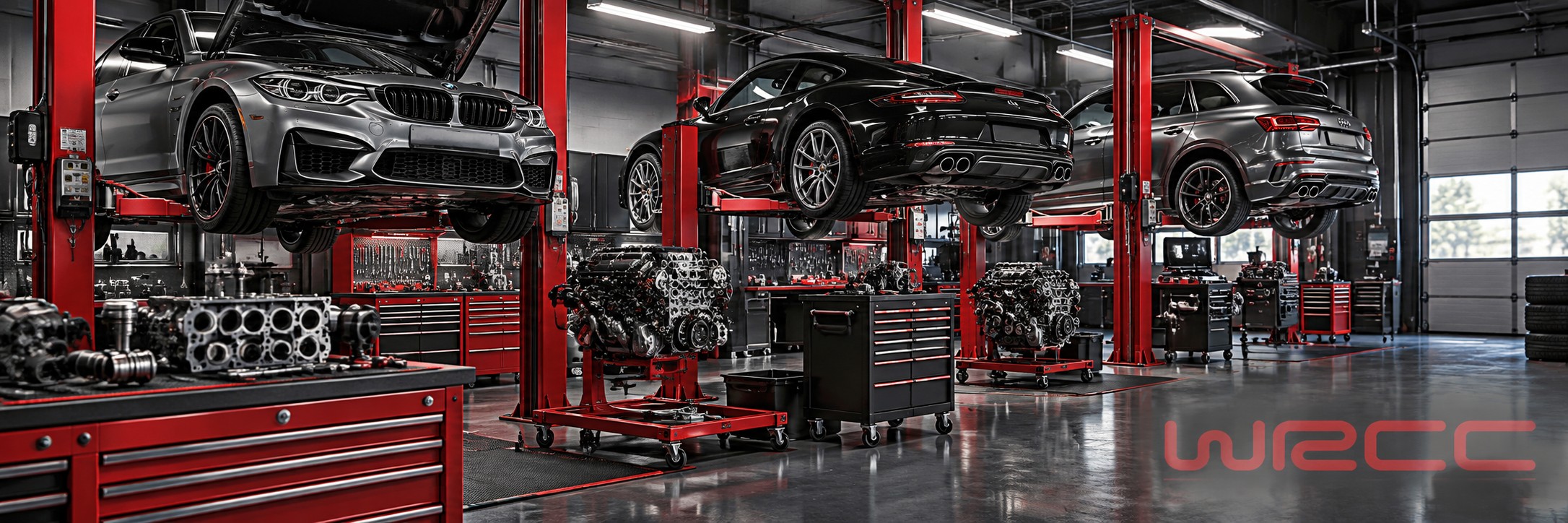
For engine repairs, describe what changed and when you noticed it. A new noise, altered starting behaviour or a written recommendation from another workshop are different starting situations. Keep your own observations separate from conclusions supplied in a report. A useful opening description might explain that the vehicle has been parked since a warning appeared, or that you are planning routine maintenance without any symptoms. Both are clearer than a broad statement that the car needs fixing.
Include whether the concern is repeated, occasional or associated with an event you can identify. You do not need technical language or an improvised diagnosis. If you have an assessment, share its date and original wording. If no assessment has taken place, say that. This makes the enquiry a practical request to discuss the next step rather than a certainty about which internal components need replacement.
The specialist pages explain relevant service categories, but matching a symptom to a page does not establish a fault. Use them to understand the questions you want to ask. Where safe use is uncertain, obtain appropriate advice and use the handbook rather than treating an online enquiry as permission to drive. Transport arrangements can be discussed separately from the work the vehicle may require.
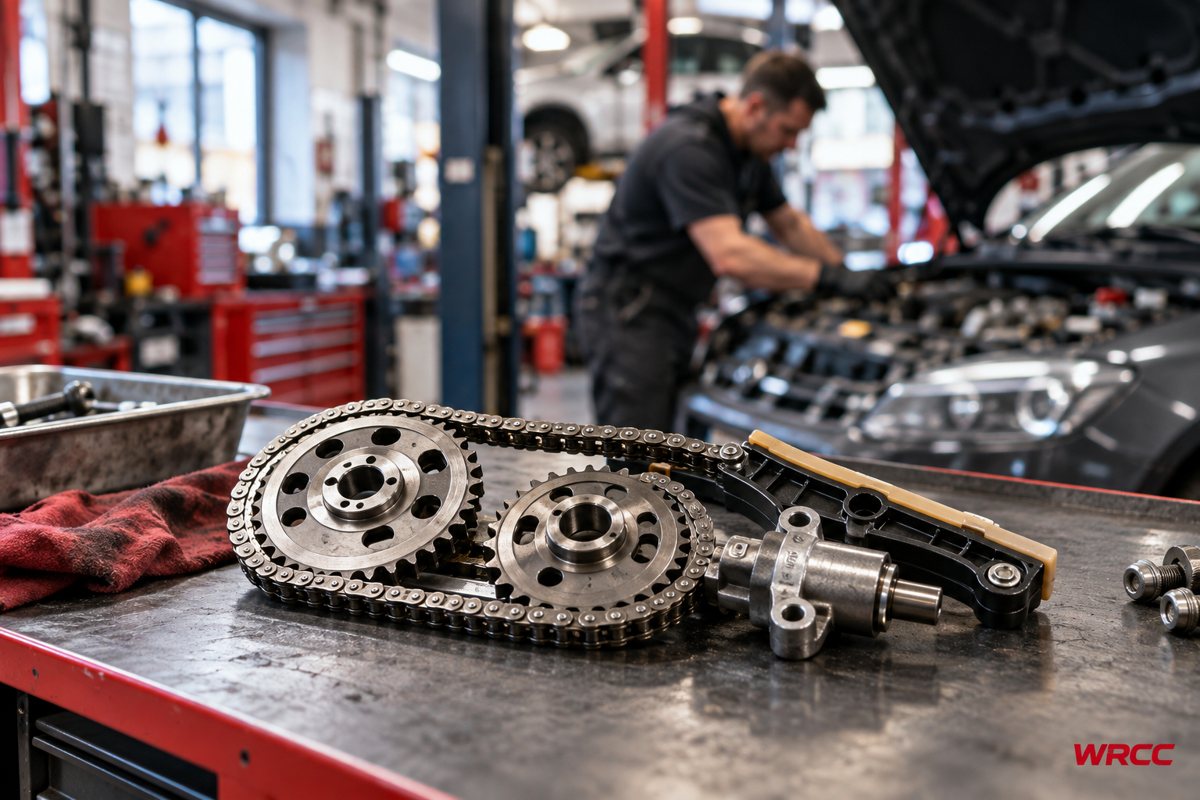
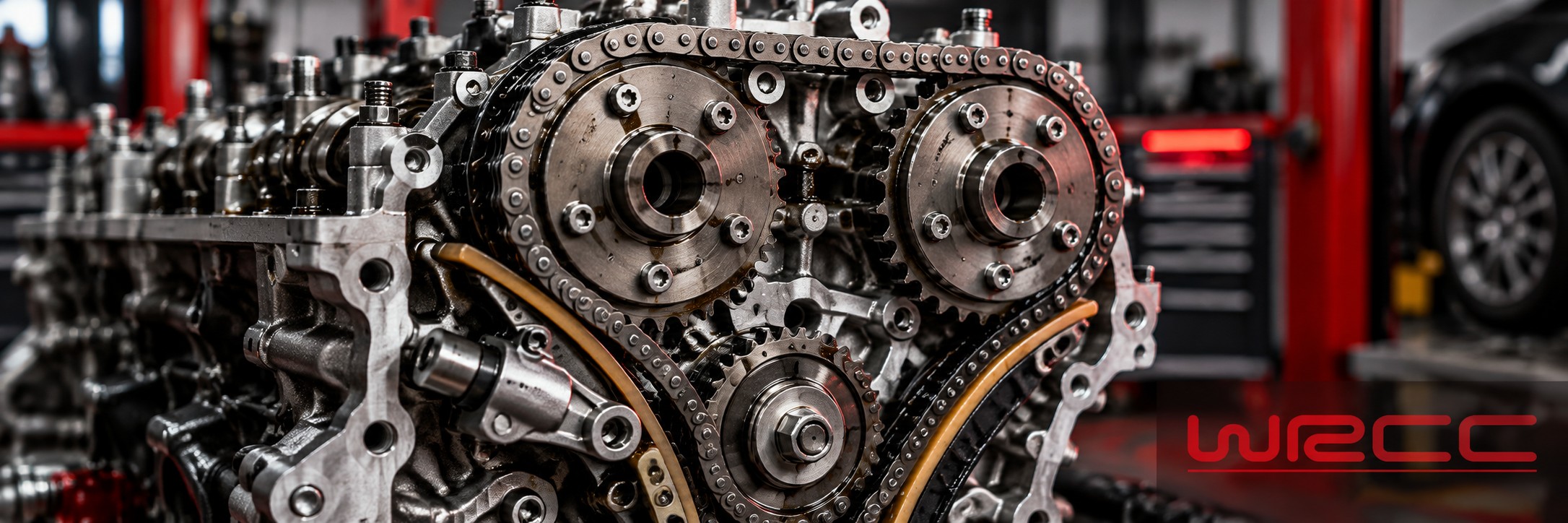
An engine may use a timing chain, a conventional timing belt or an oil-immersed wet belt. Vehicles with similar model names can use different engines, so identify the car before assuming the system. The Timing Chain Replacement page and Wet Belt Replacement page explain the information useful for their respective enquiries. They are separate starting points, not interchangeable descriptions of one universal job.
If a noise prompted the timing-system enquiry, describe it and its circumstances without treating it as a confirmed fault. If you are checking a maintenance requirement, provide the manufacturer’s information and the service history you have. These situations need different context. A general guide cannot set a replacement interval for every engine or determine the condition of the timing components inside your own vehicle.
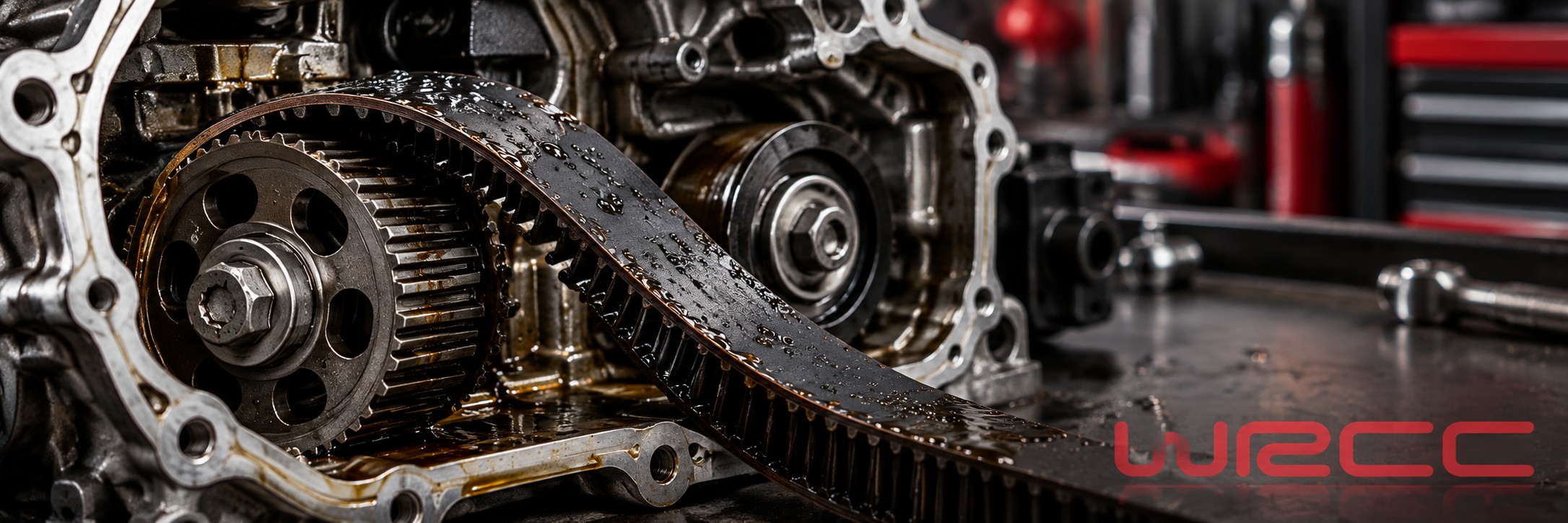
Check older invoices for the exact wording of belt or chain work. A separate drive belt may have been changed without timing-system replacement, and a parts description may not establish a complete scope. Preserve those records as written. If you do not know which system is involved, you can still contact WRCC with the registration and ask which service conversation is appropriate.
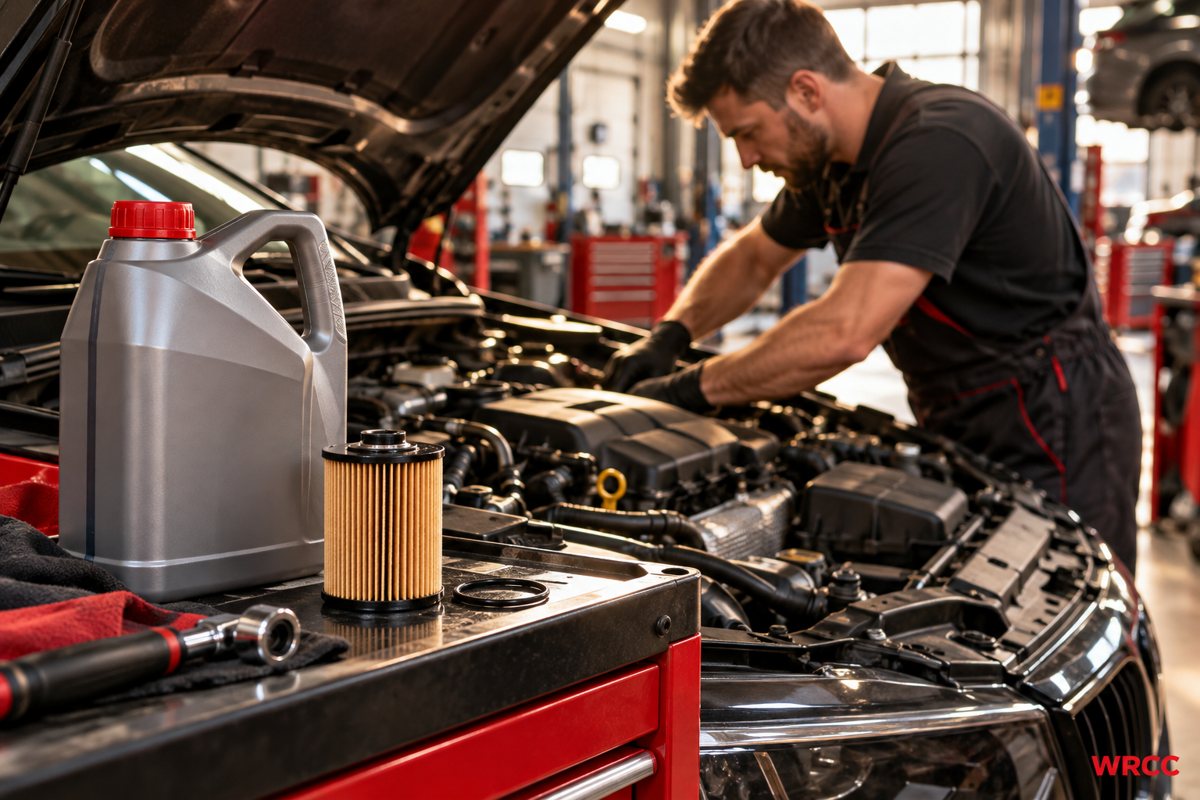
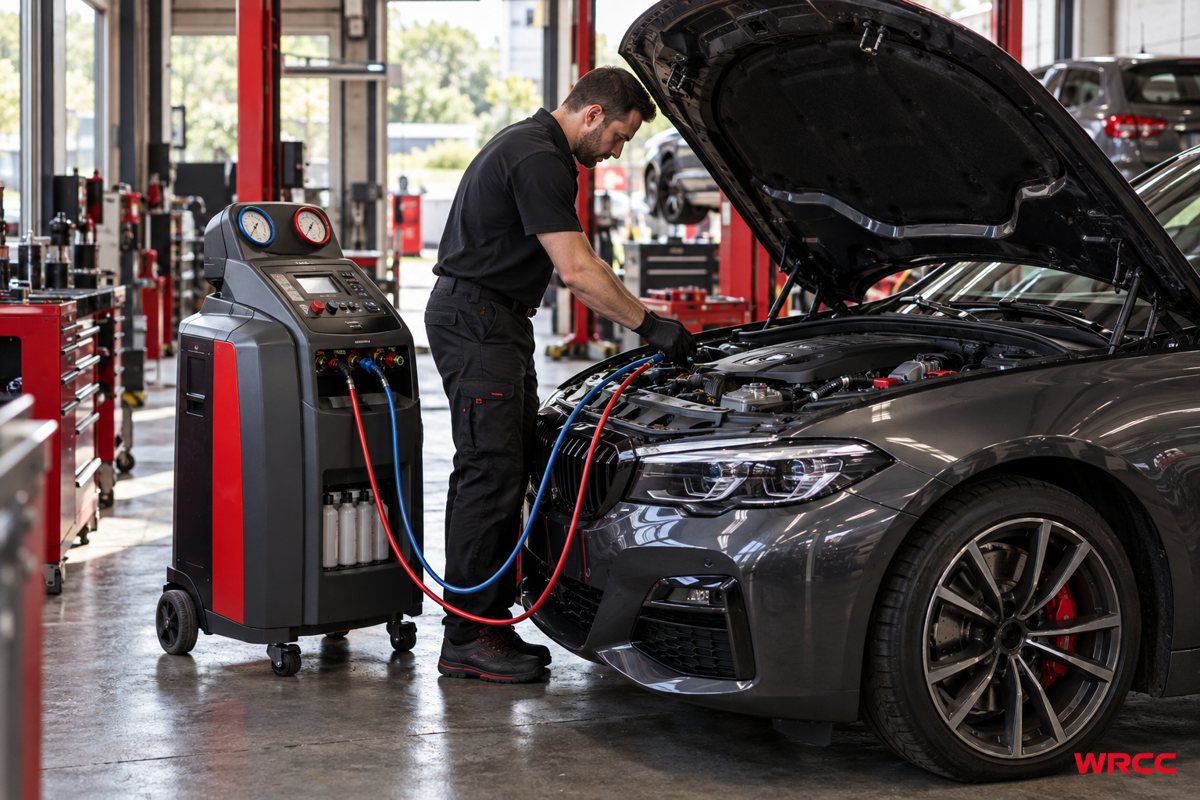
The Car Services page presents seven vehicle care services in a static grid. It includes Car Inspection, Engine Change, Repair Service, Full Car Check, Oil Change, Air Conditioning and Winter Checks. You can review every card in the service overview. Each offer links to the Contact page so that you can discuss the service and the vehicle details before relying on a particular arrangement.
Those general offers are separate from vehicle-specific specialist engine repairs. An Engine Change card is not the price of a complete engine rebuild, and a Repair Service card is not automatically a timing chain, wet belt or head gasket quote. Keep the category and its scope connected when enquiring. Ask which work is covered and which details need confirmation for your particular car.
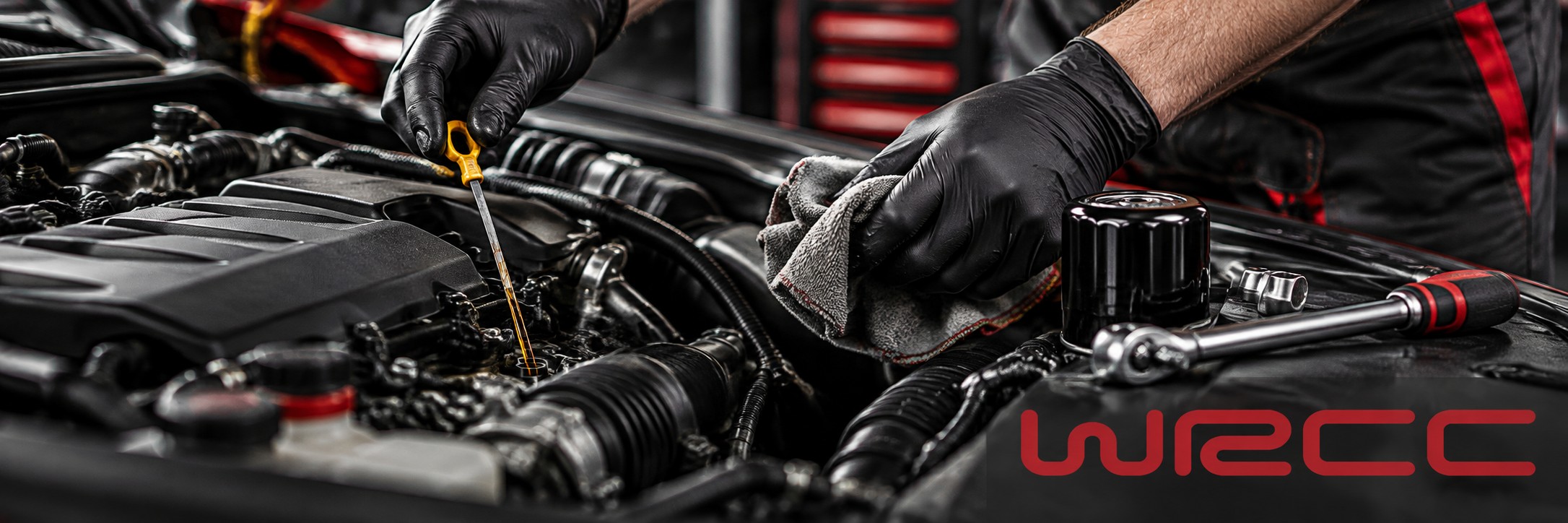
For routine maintenance, use the manufacturer’s requirements for the exact vehicle as the starting point. An MOT, a general inspection and scheduled servicing answer different questions. Tell WRCC which need you are discussing, whether other work is already known and what records you have. That makes a service enquiry clearer than selecting several cards as though every listed job were automatically required.
A service description explains the subject you can enquire about. It does not automatically confirm a complete repair scope, appointment or completion period. For specialist engine repairs, ask about the work relevant to the vehicle and the information needed before a proposal can be made. For a published service enquiry, ask about the included service and any details specific to the car.
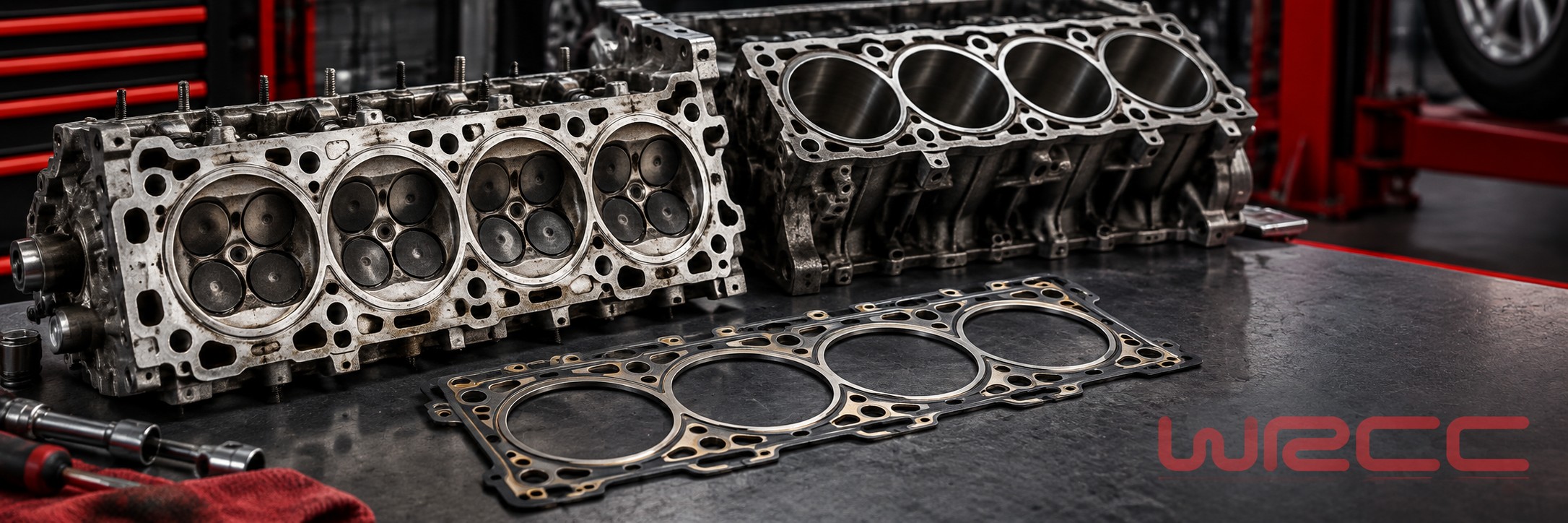
When comparing proposals, match the written work descriptions first. A difference in amounts may reflect different included work rather than equivalent jobs. Ask directly about assessments, separately requested maintenance and any practical arrangements that affect your decision. Keep those answers with the proposal instead of assuming they apply because of a broad title such as service or engine repair.
This website does not establish universal warranty terms, collection arrangements or turnaround times. Confirm what applies to your own enquiry. Clear information makes it easier to decide on the next step and prevents a general guide from becoming an assumed commitment. The Contact page provides a written route when you prefer to send the details for discussion.
The manufacturer’s handbook and official owner resources are the starting point for engine-specific schedules, specifications and maintenance instructions. General service pages help you understand terminology and prepare questions, but they cannot supply one rule for every car. If different sources appear to disagree, keep the details and ask about the uncertainty. Avoid choosing an interval merely because it is convenient or applies to a similar model.
For past test results and recorded mileage, use the GOV.UK MOT history service. It can provide background but does not prove that engine repairs or servicing were performed. Keep it alongside invoices rather than use it as a replacement for maintenance records. For general vehicle-condition responsibilities, GOV.UK vehicle safety guidance is a useful reference.
The WRCC About page explains the business’s engine rebuilding experience and website service structure. Use it with the specialist pages when you want to understand the available areas of work. Claims about a particular vehicle, procedure or outcome should come from its own proposal and assessment, not be inferred from general website information.
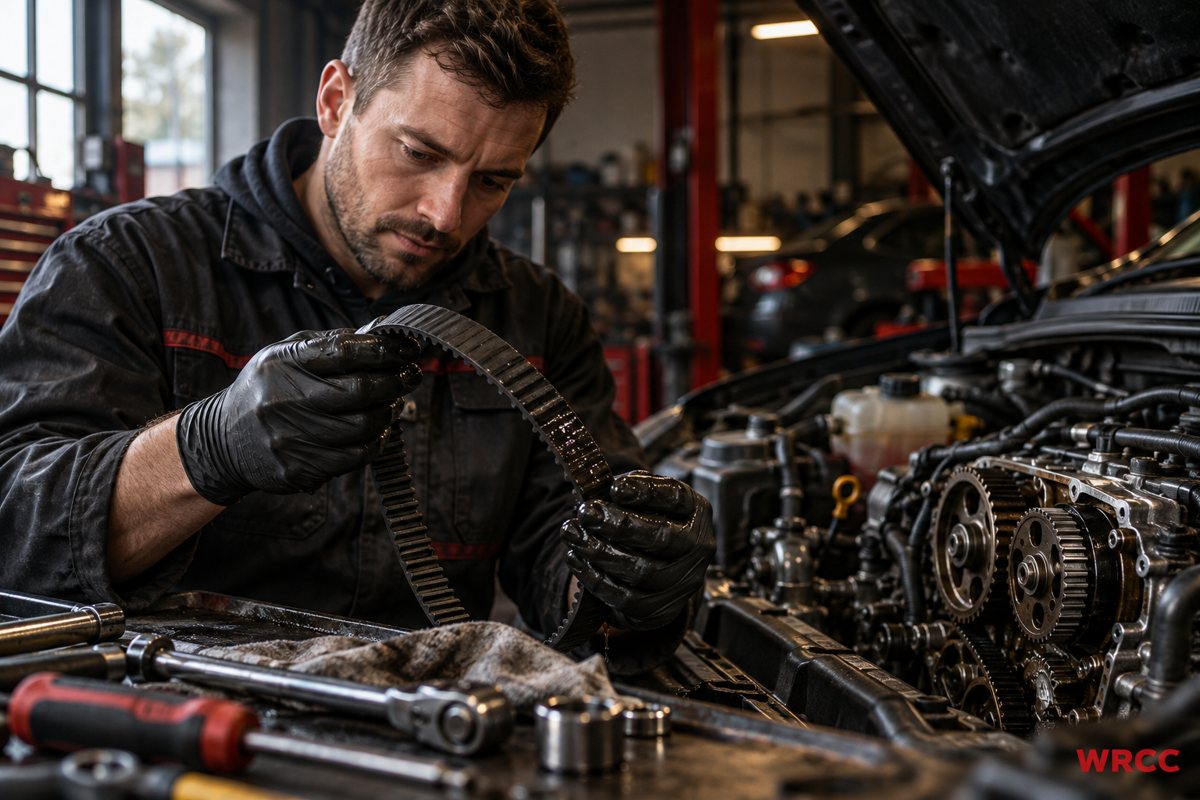
Conventional cambelt care is now available on its own service page. Learn how dry timing belts differ from wet belts and chains, when to check the manufacturer schedule and what to include in your enquiry.
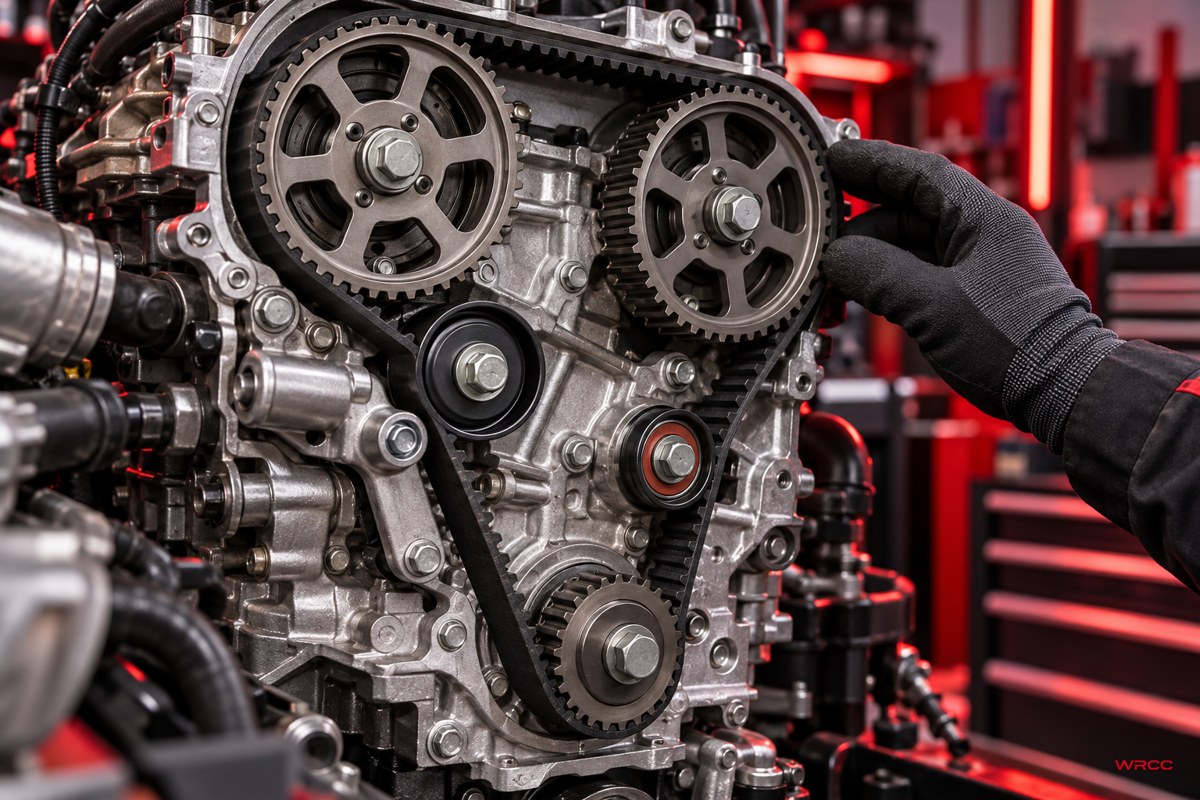
Conventional cambelt care is now available on its own service page. Learn how dry timing belts differ from wet belts and chains, when to check the manufacturer schedule and what to include in your enquiry.