• Call Us Now
    01527337128

  • Hours
    Monday-Saturday, 10:00-20:00

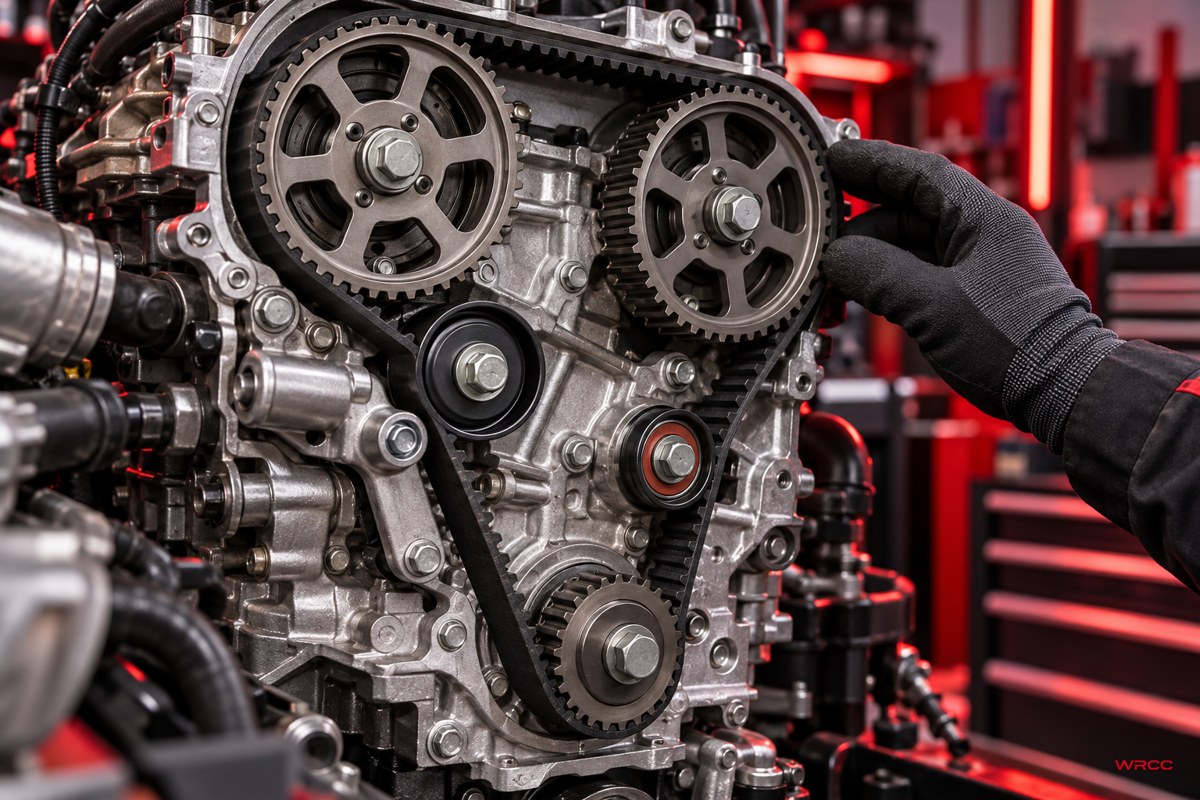
Illustrative dry timing belt and sprocket assembly with WRCC watermark

Timing Belt Replacement in Bromsgrove

Timing Belt Replacement in Bromsgrove

Timing belt replacement in Bromsgrove.

Keep your engine timing in step. Contact Worcester Road Car Care about conventional timing belt replacement, also called cambelt replacement, with your registration, mileage and service history.

A dry timing belt is different from an oil-immersed wet belt and a metal timing chain. We start with the exact engine so the maintenance discussion is about the system fitted to your car.

Timing belt replacement: illustrative dry rubber cambelt and engine sprockets with WRCC watermark
Illustrative service image with WRCC watermark.

1. What is a timing belt?

A timing belt is a reinforced, toothed rubber belt that synchronises the crankshaft and camshaft in an internal combustion engine. The crankshaft moves the pistons, while the camshaft controls when the valves open and close. The belt keeps those movements coordinated so that the engine can run as intended.

A conventional dry timing belt operates outside the engine oil system, normally behind protective covers. It should not be confused with the visible auxiliary or serpentine belt that drives accessories. An invoice for a drive-belt change does not necessarily record a cambelt replacement. Ask which component was replaced if the wording is unclear.

Loss of correct timing can cause serious engine damage, particularly where the pistons and valves can collide. Scheduled timing belt replacement is therefore an important maintenance item, even when the car appears to run normally. The appropriate schedule must come from the manufacturer information for your engine.

2. Timing belts, wet belts and timing chains

These systems do a similar timing job, but use different components and maintenance procedures. A conventional timing belt is a toothed rubber belt running dry. A wet belt is designed to operate in engine oil. A timing chain uses metal links and sprockets, with lubrication from engine oil.

The correct service depends on the engine variant, not just the model badge. Two similar-looking cars can use different arrangements. Share the registration and engine details, and mention any previous engine replacement. You do not need to identify every component yourself before contacting WRCC.

For an oil-immersed belt, visit Wet Belt Replacement. For a metal chain, visit Timing Chain Replacement. This page covers conventional dry timing belt replacement.

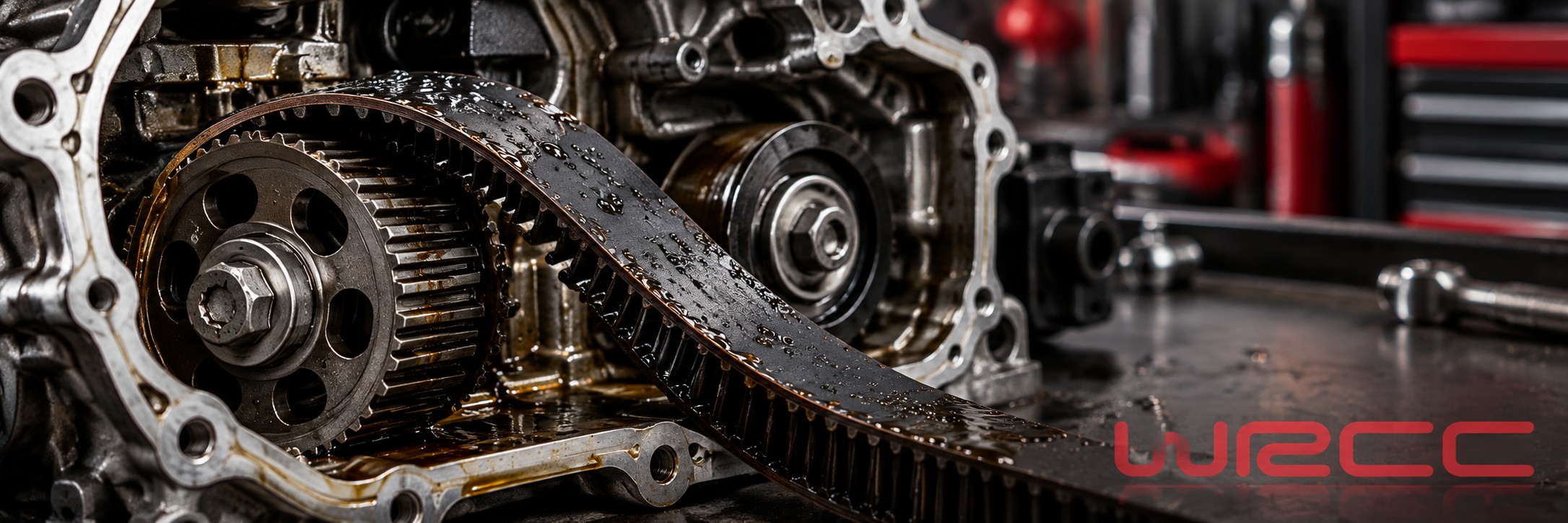
Timing belt replacement: illustrative dry cambelt assembly with WRCC watermark
Illustrative service image with WRCC watermark.

3. When should a cambelt be replaced?

There is no single replacement interval that applies to every car. Manufacturers specify requirements for particular engines, often using both vehicle age and mileage. Check the current guidance for your exact engine, including any relevant updates, rather than relying on an interval quoted for another model.

Low annual mileage does not automatically remove an age-related replacement requirement. Equally, a belt changed previously needs its own date and mileage recorded so that the next maintenance discussion starts from reliable information. Where the history is missing, describe it as unknown instead of assuming the work was completed.

Give WRCC the vehicle registration, current mileage, age and any invoices for earlier cambelt work. The team can discuss the information needed to plan the next step. A general webpage cannot establish how much life remains in an individual belt, and a visual check alone does not create a new manufacturer interval.

4. Tensioners, pulleys and water pumps

The timing belt works as part of a system. Depending on the engine, that system can include tensioners, idler pulleys and a belt-driven water pump. A worn or faulty related component can affect the belt drive, so the proposed work should identify the components relevant to the vehicle.

Where the timing belt drives the water pump, replacing the pump during belt work may be appropriate because of the shared access and relationship between the components. Some engines use a different pump arrangement. Do not assume a water pump is included in every cambelt job or that every car requires the same kit.

Ask what the vehicle-specific proposal covers, including related parts, labour and any coolant work where applicable. The correct timing procedure and parts selection depend on the engine. WRCC can discuss the intended scope before work is agreed, and explain how any further findings would be handled.
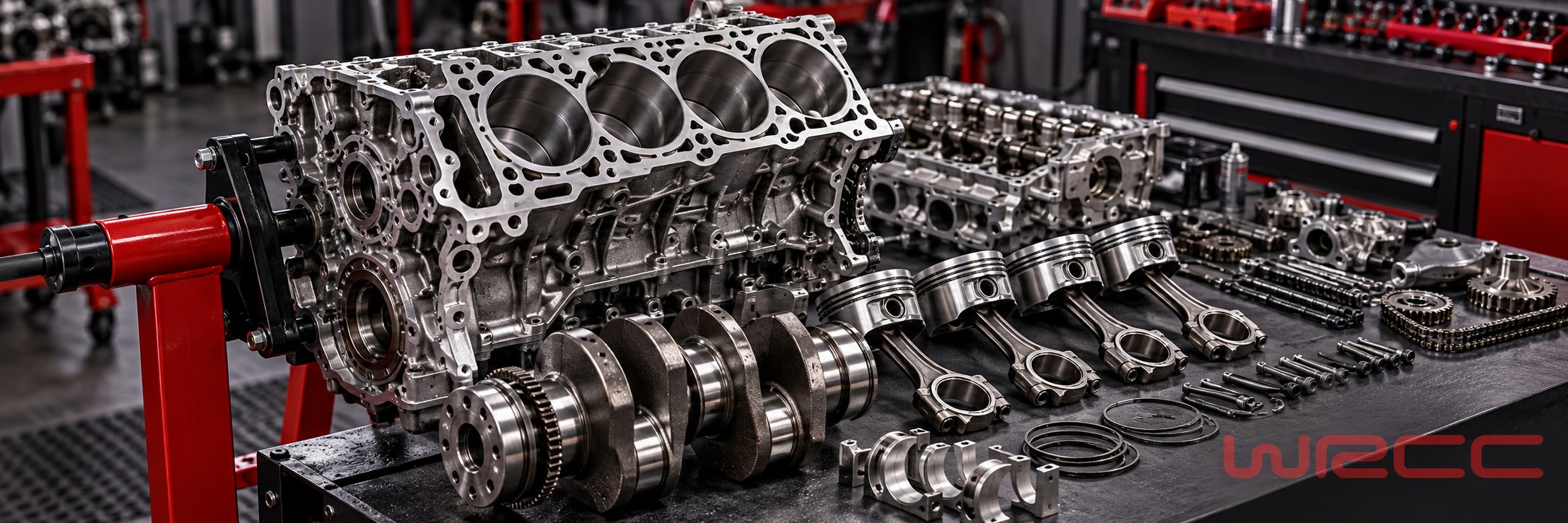
Timing belt replacement: illustrative engine maintenance with WRCC watermark
Illustrative service image with WRCC watermark.

5. Warning signs and missing service history

A conventional timing belt may reach its scheduled replacement point without giving a clear warning. Do not wait for a noise or running problem before checking the maintenance records. The absence of symptoms is not proof that the belt is within its recommended service life.

Unusual noises, starting difficulties, poor running or a warning light can have several causes. They do not confirm a timing belt fault on their own. Explain what changed, when it happened, whether the engine still runs and whether there has been recent work. An assessment may be needed before a repair can be recommended.

If the engine stops unexpectedly or belt failure is suspected, do not keep attempting to restart it. Seek assistance and explain the circumstances to the workshop. Follow the vehicle handbook for warning lights and safe stopping. Discuss recovery arrangements rather than driving a car with a suspected serious engine fault to an appointment.

6. How to prepare for timing belt replacement

Start with a short summary: the registration, make, model, mileage and why you are enquiring. Explain whether this is planned maintenance, an uncertain service history or a concern following a change in the way the car runs. Include the engine size or code if known, without guessing missing details.

Keep the last cambelt invoice with the service history. Useful records show the replacement date, mileage and parts description. A stamp that says only “service” may not confirm timing belt replacement, and an MOT certificate does not establish that scheduled belt maintenance has been completed.

  • Vehicle registration and current mileage.
  • Last recorded timing belt replacement date and mileage.
  • Invoices describing the belt, tensioners and water pump where relevant.
  • Any warning lights, noises or recent engine work.
  • Your preferred way to receive appointment information.

If information is missing, tell us. A clear account of what is known is more useful than an assumed history. Keep any existing diagnostic report in its original wording so that the enquiry distinguishes a confirmed finding from a suspected cause.
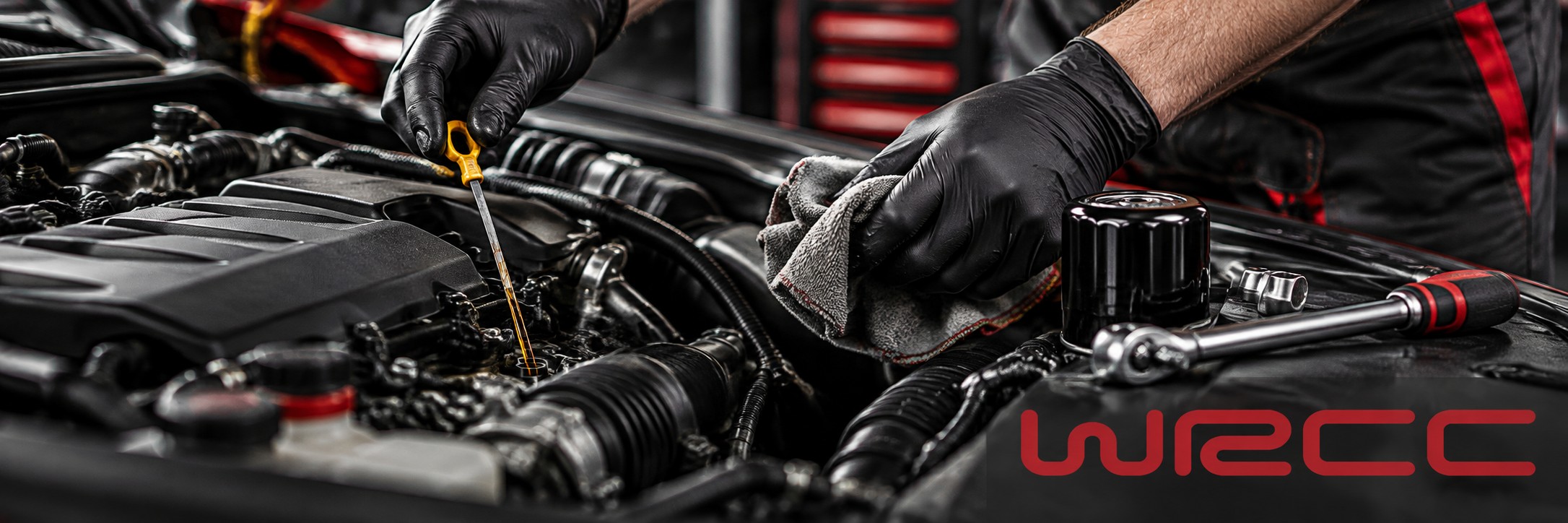
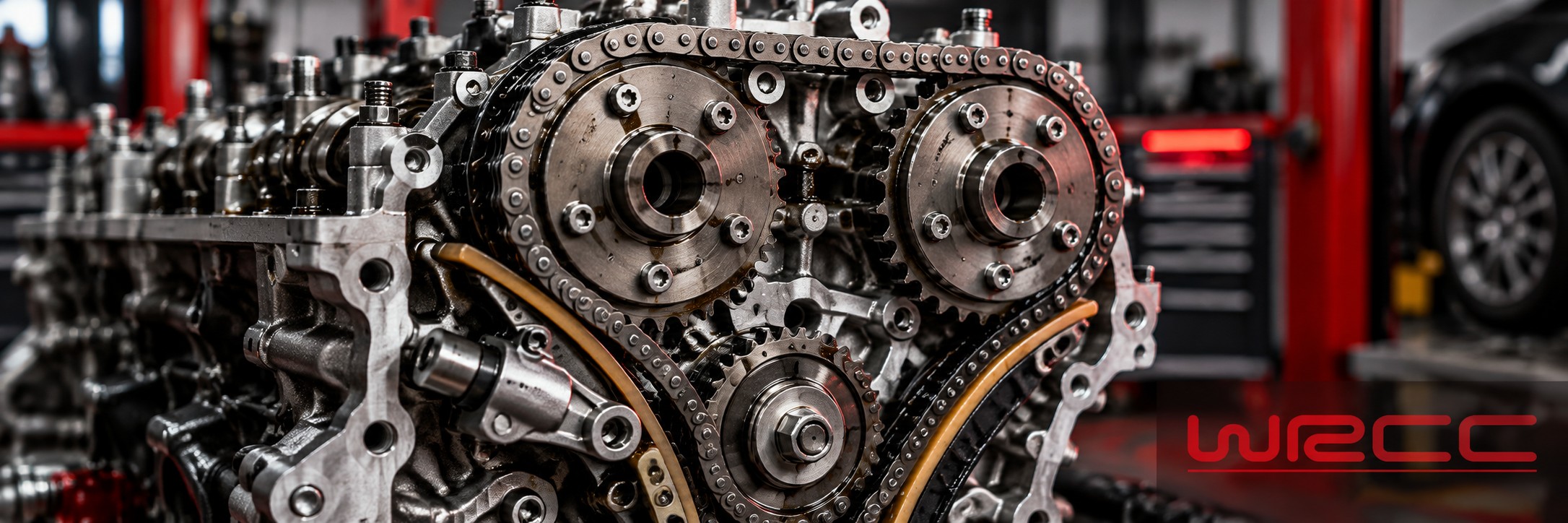
Timing belt replacement: illustrative engine maintenance with WRCC watermark
Illustrative service image with WRCC watermark.

7. Your enquiry, assessment and agreed work

Contact WRCC to discuss timing belt replacement for your vehicle. The first conversation establishes the car and the reason for the enquiry. It does not automatically confirm a diagnosis, appointment or final repair scope. If inspection or further information is needed, that can be discussed before agreeing work.

Ask for a clear description of the proposed job. Relevant questions include which belt-drive components are included, whether the engine uses a belt-driven water pump and how additional findings would be communicated. Different engines involve different access and parts, so a vehicle-specific proposal is more useful than a general package description.

WRCC does not publish fixed timing belt prices on this page. Contact the team for the current information relevant to your car and the work being discussed. Keep the description of the work with any proposal, and clarify anything you do not understand before making arrangements.

8. After replacement: keep the right records

Retain the invoice and work description with the vehicle history. Record the date and mileage and preserve the names of the parts replaced. This helps future maintenance decisions and makes it easier to distinguish timing belt replacement from routine servicing or auxiliary belt work.

Ask about the applicable future maintenance schedule and any vehicle-specific information supplied with the completed work. Do not assume that a replacement belt changes the rest of the manufacturer's service requirements. Oil, coolant and other routine maintenance still need the correct attention for the engine.

If something changes after a visit, describe the symptom and when it began rather than assuming its cause. Keep the original work records available for the conversation. Accurate records help the next workshop or owner understand the car's history without relying on a broad statement that the engine or belt was “done”.

A practical cambelt checklist

Use these questions alongside the eight sections above when organising timing belt replacement. Keep the answers with the vehicle records so that the same details are available when an appointment or further assessment is discussed.

What if a used car has no proof of a belt change?

Ask the seller for the original invoice or the workshop details before treating a previous belt change as confirmed. A handwritten note, an advertisement or a verbal statement may leave the date, mileage and exact work uncertain. A routine service invoice may cover oil and filters without covering the cambelt. Preserve the evidence you have rather than filling gaps with estimates.

Tell WRCC which records are available, when you bought the car and whether any engine work has been mentioned. If an earlier workshop can provide an invoice, that may help establish what was actually done. The manufacturer schedule and the history should be considered together. Do not assume a belt is new because the vehicle looks well maintained, or choose an arbitrary extra mileage allowance because there are no symptoms. An uncertain history is a reason for a vehicle-specific maintenance discussion.

How do I compare two descriptions of timing belt work?

Compare the proposed components and labour, not just the service name. One description might identify a belt, tensioner and idlers, while another might also include a belt-driven water pump and associated coolant work. The appropriate combination depends on the engine and the proposal. Ask for unfamiliar terms to be explained instead of assuming that a short headline describes every item.

Keep the registration and engine identification alongside both descriptions. Ask whether any assessment is separate, what could change after access or inspection and how a change in scope would be agreed. If tax treatment or another practical item affects your comparison, clarify it directly. WRCC does not publish a universal cambelt package or fixed amount for every engine. A clear written scope lets you discuss the actual vehicle and understand the intended work without relying on a generic website illustration.

Why is the water pump arrangement important?

Some engines drive the coolant pump from the timing belt. In those arrangements, the pump is connected mechanically to the timing drive and may involve overlapping access during replacement. Other engines drive a pump differently or use an electric pump, so advice for one design cannot be applied automatically to another. The term water pump alone does not establish how the pump is driven.

Ask whether your engine has a timing-belt-driven pump and whether any related work is included in the proposal. If a coolant concern has prompted the enquiry, describe that separately rather than assuming it is part of a belt fault. A leak or temperature change needs its own assessment. Follow the handbook if an overheating warning appears, and do not open a hot cooling system to investigate for a website enquiry. The purpose of the conversation is to establish the appropriate next step, not to diagnose the cooling system from a general checklist.

What should I say if the car cannot be driven?

State that the vehicle is not being driven and explain why. Include whether the engine stopped during a journey, would not start after standing or was taken out of use following advice or a warning. Mention any existing diagnostic report, but distinguish its findings from your own observations. Do not attempt repeated starts or additional journeys simply to obtain more details for the enquiry.

Contact the workshop before arranging transport so that delivery and appointment arrangements can be discussed. An online enquiry does not confirm that a vehicle can be received immediately, and a repair category does not establish that the car is safe to drive. Give the team a reliable contact number and keep any agreed arrangements with your records. If you need roadside assistance, explain the location and current condition to the relevant provider. This page does not provide recovery services or a substitute for an assessment of the vehicle.

Can I tell what was changed from the invoice?

A detailed invoice can show the date, mileage and component descriptions, but descriptions vary between workshops. Look for the timing belt or cambelt wording and any separately named tensioner, idler or water pump. An entry for an auxiliary belt, alternator belt or drive belt may relate to a different component. Ask the issuing workshop if the distinction is unclear and retain the original document.

Keep engine replacement records too, where applicable. The original registration details may need to be considered alongside the specification of a replacement engine. Share this information when enquiring about timing belt replacement so that the maintenance discussion does not start from the wrong assumption. A component label on a general webpage cannot prove what is fitted to your vehicle. Good records support a clearer discussion, while missing information should remain clearly marked as unknown until it is established.

What else should I organise before the appointment?

Confirm the appointment details, the vehicle information required and how the team will contact you about findings. Ask about practical arrangements that matter to your visit, including when the vehicle can be received and whether an assessment is needed before the work is agreed. Do not assume collection, recovery, a courtesy vehicle or a particular completion time from a service description.

Bring the relevant records and make sure the contact details used for the enquiry are current. Keep the agreed work description available and ask how a further decision would be requested if additional issues are found. After the visit, retain the invoice with the date and mileage in the maintenance history. Those straightforward steps help the next conversation remain specific to your car. For current arrangements, contact WRCC on 01527 337 128 or info@wrcc.uk, Monday-Saturday, 10:00-20:00.

Timing belt replacement questions

Is a cambelt the same as a timing belt?

Yes. Cambelt is a common name for the engine timing belt. A separate auxiliary drive belt serves a different purpose, so check which belt is described on an invoice.

Does every car need timing belt replacement?

No. Some engines use a chain, some a conventional timing belt and some an oil-immersed wet belt. Identify the exact engine before applying a replacement schedule.

Can I use a mileage interval from another car?

No. Use the current manufacturer requirements for the exact engine and consider any age limit as well as mileage. Discuss missing records with WRCC.

Will the water pump be changed too?

That depends on the engine and the agreed work. Where the timing belt drives the water pump, related replacement may be appropriate. Ask what is included for your car.

Where is WRCC based?

Appointments are at the Bromsgrove workshop on Worcester Road, Upton Warren, B61 7EU. Contact WRCC before travelling to confirm arrangements. Opening hours are Monday-Saturday, 10:00-20:00.

For further technical background, see Gates timing belt drive systems. Your vehicle manufacturer remains the source for engine-specific intervals.

Plan your cambelt enquiry.

Share your registration, mileage and belt history. Monday-Saturday, 10:00-20:00.

info@wrcc.uk