• Call Us Now
    01527337128

  • Hours
    Monday-Saturday, 10:00-20:00

Illustrative automotive workshop with WRCC watermark

Car Care Advice

Car Care Advice

Prepare for your next service enquiry.

This car care advice page brings together practical starting points for talking to WRCC about your vehicle. For an individual fault, use your manufacturer’s guidance and discuss the symptoms with the team.
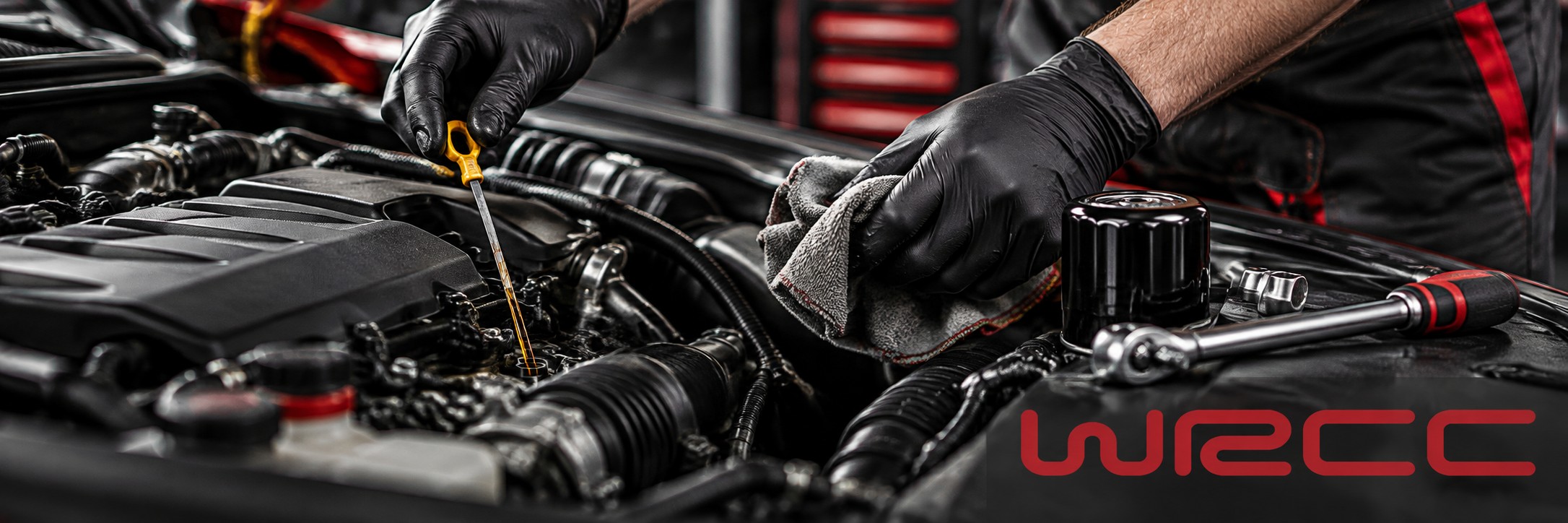
Car care advice: illustrative vehicle maintenance with WRCC watermark
Illustrative service image.

Keep your vehicle information together

Have your registration, mileage and recent service records ready. Note when a problem started, whether it appears from cold or when warm, and any warning lights. These details make an enquiry more useful than a description such as “the engine is not running right”.

For routine maintenance and vehicle care services, visit car services.

Know which timing system your engine uses

Vehicles can use different timing systems. A timing chain is metal and runs inside the engine; a wet belt is an oil-immersed timing belt. The appropriate maintenance guidance depends on the exact engine.

Explore timing chain repair and wet belt replacement before making your enquiry.

Describe engine and cooling concerns clearly

Share changes in noise, oil use, coolant level or performance. Symptoms can have several causes, so an online description is a starting point for a discussion rather than a diagnosis.

Read about head gasket repair or engine rebuild enquiries and bring any previous assessment results with you.

Arrange your next conversation

Contact WRCC in Bromsgrove on 01527 337 128 or info@wrcc.uk. Monday–Saturday, 10:00 - 20:00.

Send your vehicle details or return to the WRCC homepage.
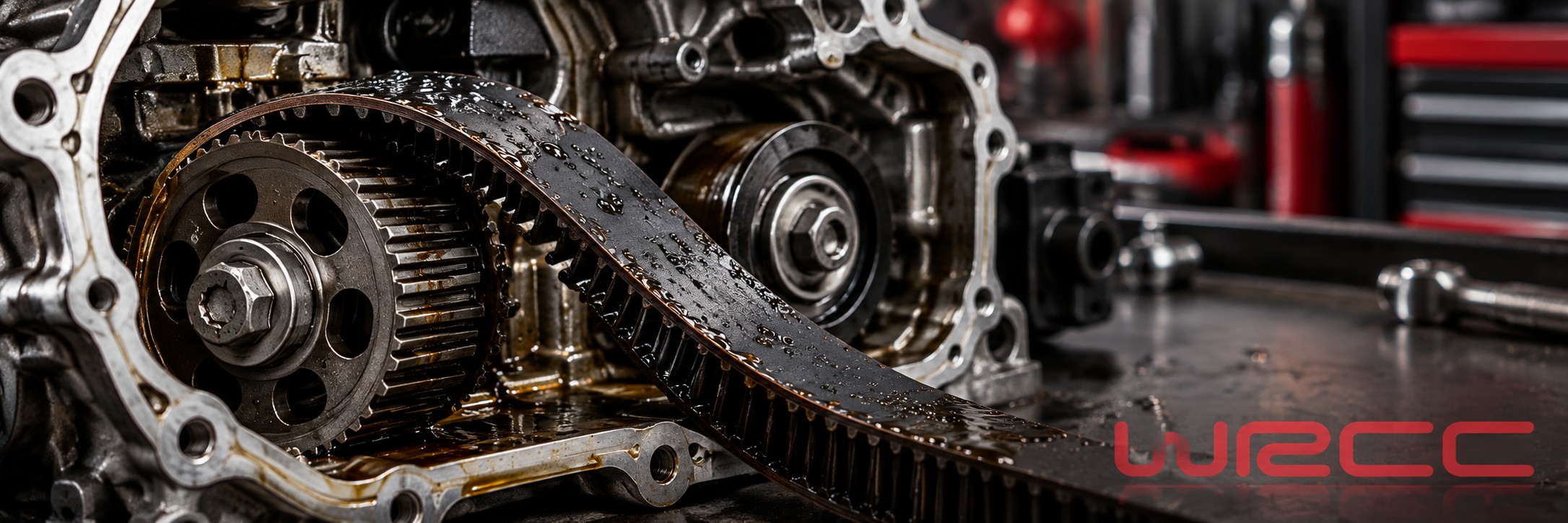
Car care advice for the road ahead.

Good car care advice helps you organise the information that belongs to your own vehicle. It should not turn a general website description into an assumed diagnosis or a universal maintenance schedule. This guide covers ten practical checks before routine servicing or a specialist engine enquiry. It is designed to help customers contacting Worcester Road Car Care in Bromsgrove, including owners across the Midlands and wider areas who want to prepare the details before arranging their next conversation.

Read the full guidance

The focus is on records, questions and observations. You do not need to dismantle components, reproduce a fault or select parts to use this guide. Manufacturer instructions are the starting point for vehicle-specific requirements, and an individual assessment is the appropriate source of findings about the car’s condition. Where information is missing, identify the gap rather than replace it with a guess. Clear uncertainty is more useful than inaccurate certainty.

Make a simple enquiry worksheet

One practical way to use this car care advice is to prepare a short worksheet for the vehicle. Begin with its registration and current mileage, then add the last documented service and the reason for the next enquiry. Leave room for the question you want answered and the records you can provide. The worksheet does not need a technical diagnosis. Its value is keeping the basic information together instead of rediscovering it during each conversation.

For a reported concern, add when you first noticed it and whether anything changed afterwards. Keep the observations brief and factual. For planned maintenance, record the manufacturer guidance you are checking and the previous work that is documented. These two enquiry types should remain distinguishable even if they concern the same engine. A note saying maintenance is due communicates something different from a report about a new noise or warning.

After the conversation, add the information supplied and the next arrangement that was actually confirmed. If a question remains open, keep it visible instead of treating it as resolved. Store the worksheet with the original invoices and reports rather than replace them with your summary. The originals preserve the work descriptions and dates, while the worksheet gives you an accessible overview for the next service discussion.

WRCC’s specialist pages cover engine rebuilds, timing chains, wet belts and head gaskets. The Services page shows seven general vehicle care services. This car care advice connects those pages with the information useful for an enquiry. It does not set new prices, establish particular repair procedures or promise an outcome for every vehicle. Use the guide to choose the question you want to ask and the records that support it.

car care advice: vehicle maintenance and oil checks illustration with WRCC watermark
Car care advice: vehicle maintenance and oil checks. Illustrative image.

Car care advice: 1. Identify the vehicle and the engine accurately

Keep the registration, make, model and current mileage together. Add engine details if you know them, and mention a previous engine change or major internal work. Similar vehicle names can involve different engines and maintenance requirements. A badge or approximate year may not establish the exact system fitted. If a detail is unknown, say so rather than select a specification from a discussion about a similar car.

The information matters across routine servicing and specialist enquiries. A timing-system question, an oil-service request and an engine rebuild conversation all need to refer to the vehicle you actually have. Where your records contain an engine designation, preserve it as written. If registration information and known repair history seem inconsistent, bring that question to the discussion rather than quietly choose one as though the uncertainty did not exist.

Read the full guidance

You do not need a complete technical file before making contact. Start with the information available and ask what else would be useful. This is practical car care advice for enquiry preparation, not a demand that owners become mechanics. A short, accurate introduction gives the team a better starting point than a detailed description built around an assumed engine or timing arrangement.

car care advice: oil-immersed timing belt illustration with WRCC watermark
Car care advice: oil-immersed timing belt. Illustrative image.

Car care advice: 2. Use the manufacturer’s maintenance guidance

The handbook and official owner resources are the starting point for service schedules and engine-specific instructions. Check the information for the exact vehicle and engine rather than apply one interval to every car. If the guidance includes both age and mileage, preserve both when asking a question. If later information appears relevant, keep its source and date so that the discussion refers to the same material.

An online guide can explain terminology and help you identify what to ask. It cannot replace manufacturer requirements with a convenient universal number. Equally, a car appearing to run normally does not by itself show that scheduled maintenance is unnecessary. Keep the schedule question separate from a symptom-led concern, because planning routine care and assessing a running problem are different conversations even when both involve the engine.

Read the full guidance

If different sources appear to disagree, record the differences and ask about them. Avoid choosing guidance merely because it is the shortest interval or the most convenient one. A precise question with the vehicle details and source information is more useful than a broad statement that the internet recommends a particular service. This approach keeps car care advice connected to the actual requirements you are trying to understand.

Car care advice: 3. Keep a chronological maintenance record

Gather invoices, service-book entries and available digital records in date order. Record mileage alongside each event where it is known. A chronological history makes it easier to distinguish routine servicing, a specific repair and an assessment that led to later work. It also helps explain whether a concern began before or after another intervention without assuming that timing alone establishes its cause.

Keep original work descriptions. A stamp or a note that the car was serviced may not identify the parts replaced or the oil specification used. An invoice mentioning a belt may describe a separate drive belt rather than the timing system. Preserve those distinctions instead of converting every record into a broad claim that major maintenance has been completed. Where the description is unclear, ask what additional evidence would help.

Read the full guidance

If the history is incomplete, mark the gaps. A previous owner’s verbal account can be included as reported information, but it is different from an invoice. You can still enquire with partial records. The useful habit is to separate what is documented, what you observed and what remains uncertain. This gives a service conversation a more reliable foundation than a confident summary unsupported by the available paperwork.

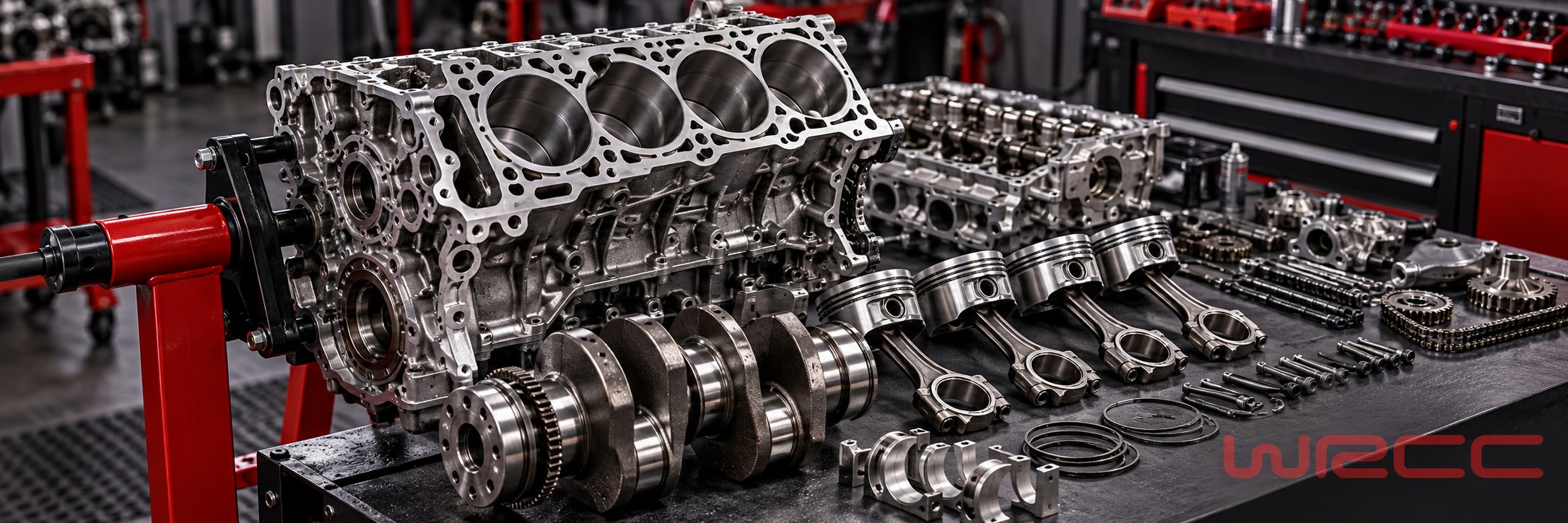
car care advice: engine components and rebuilding illustration with WRCC watermark
Car care advice: engine components and rebuilding. Illustrative image.

Car care advice: 4. Describe symptoms in ordinary language

Write down what changed, when it began and the circumstances in which you noticed it. Starting behaviour, a sound, a warning or a change in running can be described without choosing a diagnosis. “A new rattle after startup” is an observation; “the timing chain has failed” is a conclusion that may need an assessment. Keep that distinction clear when using car care advice to prepare a message.

Note whether the issue is occasional or repeated and whether other changes happen at the same time. Use observations you already have rather than take additional journeys to recreate a concern. A recording or photograph may help explain a subject, but it does not necessarily reproduce the complete condition of the vehicle. Ask which supporting information is useful before sending large files or unrelated images.

Read the full guidance

Explain the car’s current status: being used, parked, non-running or already at another workshop. If safe operation is uncertain, obtain appropriate advice and use the handbook rather than treat an enquiry as permission to drive. The guide is about communicating the situation, not providing a repair procedure or a vehicle-specific safety decision through a short description.

Car care advice: 5. Keep reports and codes in their original context

Where a workshop has assessed the vehicle, retain the report and its date. Share the findings accurately and mention any repairs carried out afterwards. Diagnostic codes, photographs and observations can be useful evidence, but an isolated code is not necessarily a complete explanation of the mechanical condition. The context helps establish what was recorded and whether later events may be relevant to the next discussion.

Avoid clearing information or changing settings just to prepare an enquiry. Existing reports are useful when their original circumstances remain clear. If several assessments have been made, put them in chronological order and distinguish their findings. A summary saying that different workshops “found different things” is less useful than the actual descriptions, dates and subsequent work that show how the situation developed.

Read the full guidance

If no assessment exists, say that. You can ask about the next step needed to understand the concern instead of presenting a suspected repair as confirmed. The WRCC service pages explain how to prepare for specialist conversations, but they do not prescribe one testing method for every engine. The arrangements and scope relevant to your car need a vehicle-specific discussion.

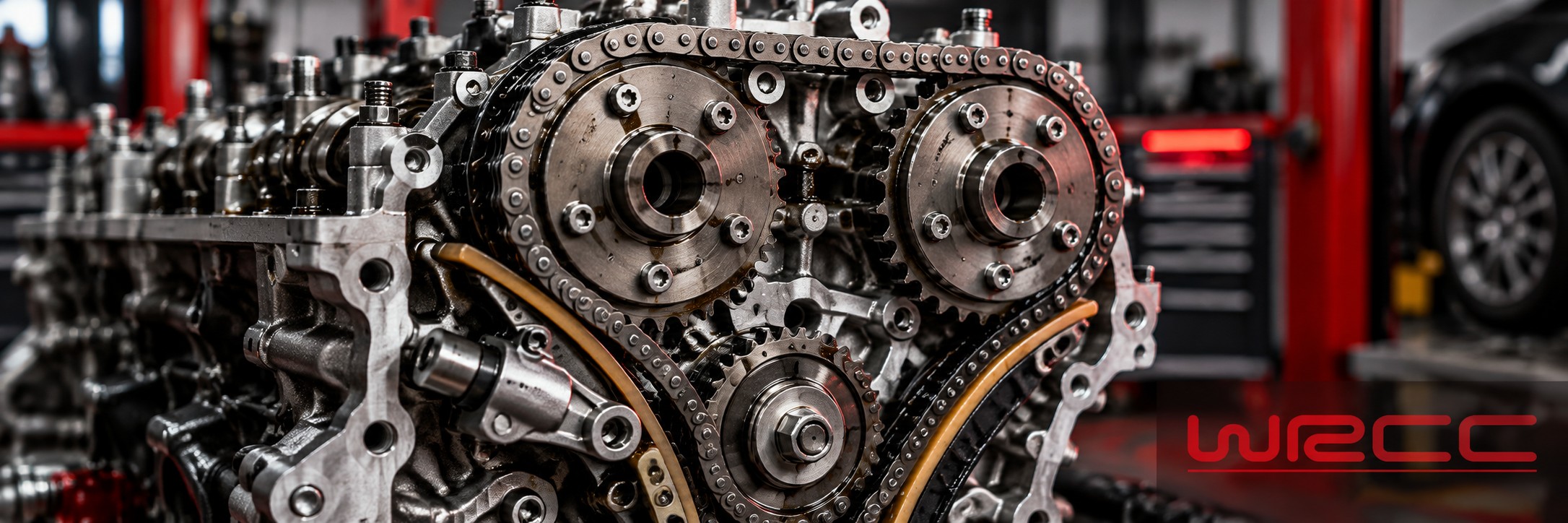
car care advice: timing chain and sprocket assembly illustration with WRCC watermark
Car care advice: timing chain and sprocket assembly. Illustrative image.

Car care advice: 6. Understand timing-chain and wet-belt enquiries

A timing chain and an oil-immersed wet belt are different engine timing components. The exact system matters when reviewing maintenance requirements and preparing a repair enquiry. Use the Timing Chain Replacement page for chain-related questions and the Wet Belt Replacement page for the corresponding belt discussion. If you are unsure which system is fitted, provide the registration and ask rather than assume.

Keep oil-service history and earlier timing-system invoices with the enquiry. Read their exact wording, because a related component or separate drive belt may have been replaced without a complete timing-system job. A manufacturer’s schedule and a reported symptom are also different kinds of information. Share both where relevant, but do not turn a noise or an approaching maintenance interval into a confirmed diagnosis.

Read the full guidance

This car care advice does not set one replacement interval for every chain or wet belt. The manufacturer’s current requirements for the exact engine remain the starting point. A service proposal should describe the work being discussed for your vehicle. General service cards elsewhere on the site do not establish a specialist timing-system quote.

Car care advice: 7. Put engine and cooling concerns together

For wider internal engine questions, use the Engine Rebuilds page. For gasket recommendations or cooling-related concerns, use Head Gasket Repair. Describe overlapping observations together without assuming they are all separate failures. A concern can have more than one symptom, and a symptom can have several possible causes. Clear records help the conversation begin with the evidence available.

Include earlier overheating events, known oil concerns, engine changes and major repairs where relevant. State what was reported or completed rather than assume a connection between every event. If a written assessment recommends wider work, share the reasoning from that report. A limited repair and a rebuild describe different scopes; the website cannot decide which one applies from a brief description or an illustrative picture.

Read the full guidance

The goal is to understand the appropriate next step for the individual car. You do not have to select a complete repair before contacting WRCC. Explain the vehicle, history and question you want to discuss. That keeps the enquiry practical and avoids treating several specialist pages as a list of jobs that should automatically be performed together.

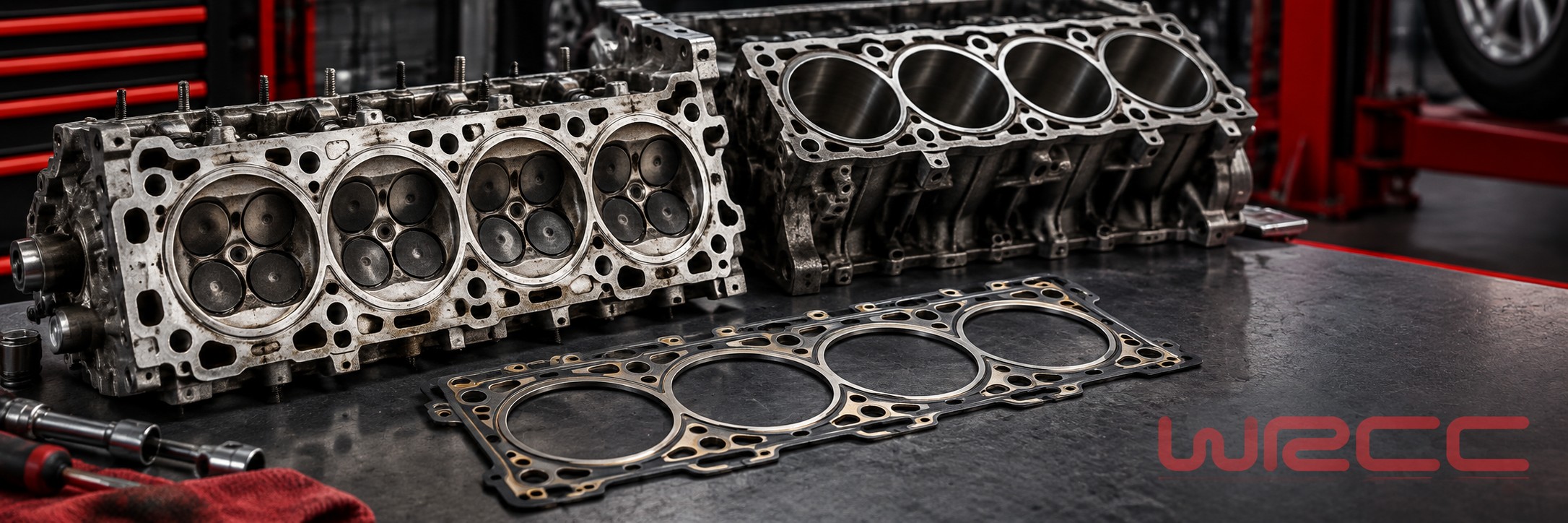
car care advice: cylinder head and gasket components illustration with WRCC watermark
Car care advice: cylinder head and gasket components. Illustrative image.

Car care advice: 8. Distinguish servicing, checks and MOT information

Routine maintenance follows the manufacturer’s requirements. A general inspection, a Full Car Check and an MOT are separate topics and should not be assumed to cover identical work. When you enquire, state which need you are discussing and what you want clarified. The Car Services page lists the five available services, but broad category names do not replace a confirmed description of included work.

The GOV.UK MOT history service can provide past test results and recorded mileage. Use it as background alongside invoices and service records. It does not prove that engine rebuilding, timing work or an oil service took place. If an advisory prompted the enquiry, keep its wording and date rather than translate it into a different repair request without discussion.

Read the full guidance

The GOV.UK vehicle safety guidance is a useful general reference about roadworthiness and owner checks. A current MOT certificate and an individual maintenance or repair assessment answer different questions. This car care advice links those resources to help you organise the conversation, while keeping the vehicle-specific requirements and findings in their proper context.

9. Compare proposals using the written scope

When reviewing a service or repair proposal, match the work descriptions before comparing the amounts. The same broad heading can refer to different included items, especially for specialist engine work. Ask which components, labour and associated work are included for your vehicle and which remain outside the proposal. A clear scope is more useful than a headline price separated from the service it describes.

Ask whether an assessment is needed first and how additional findings would be communicated if the scope changes. Raise separately requested maintenance so it does not become an unspoken assumption. Where practical details, tax treatment or transport affect your decision, confirm them directly. A general website guide does not establish those arrangements or a particular completion period for every enquiry.

Read the full guidance

Keep the proposal and later invoice with the history. If a term is unclear, ask for it to be explained. Future enquiries are easier when records show what was actually done rather than say the engine was fixed. This is useful car care advice before and after a job: clear descriptions help you understand the current decision and preserve information for the next one.

car care advice: oil-immersed timing belt illustration with WRCC watermark
Car care advice: oil-immersed timing belt. Illustrative image.

10. Make the next enquiry clear and practical

Start with registration, make, model, mileage and a short explanation of the service or concern. Add the relevant timeline, records and reports. Unknown details can be identified as unknown, and you can ask which further information would help. You do not need to send every document at once or arrive with a diagnosis. The purpose of the first contact is to discuss the useful next step for your car.

Call 01527 337 128, email info@wrcc.uk or use the Contact page. Listed hours are Monday–Saturday, 10:00 - 20:00. Confirm availability and directions before travelling to Bromsgrove. If the vehicle cannot be driven, explain that early and ask which transport arrangements you need to make. Do not assume collection or recovery is included.

Read the full guidance

Worcester Road Car Care serves customers across the Midlands and wider areas, with over 20 years of engine rebuilding experience. Return to the homepage to explore the main services or choose the specialist page that matches your question. Use the car care advice above to connect that page with your vehicle’s own records, observations and practical arrangements for the next conversation.

Let’s discuss your vehicle.

Share your registration, mileage and the work you want to discuss. WRCC is open Monday–Saturday, 10:00 - 20:00.