• Call Us Now
    01527337128

  • Hours
    Monday-Saturday, 10:00-20:00

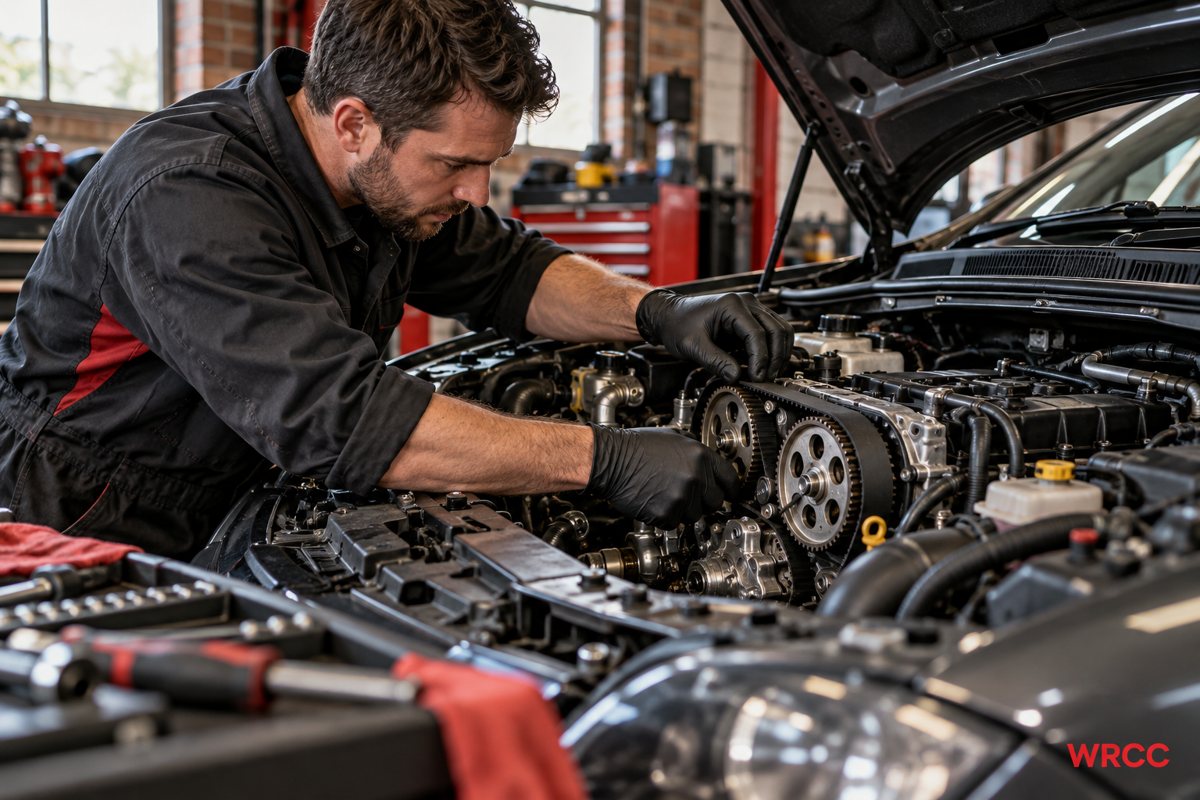
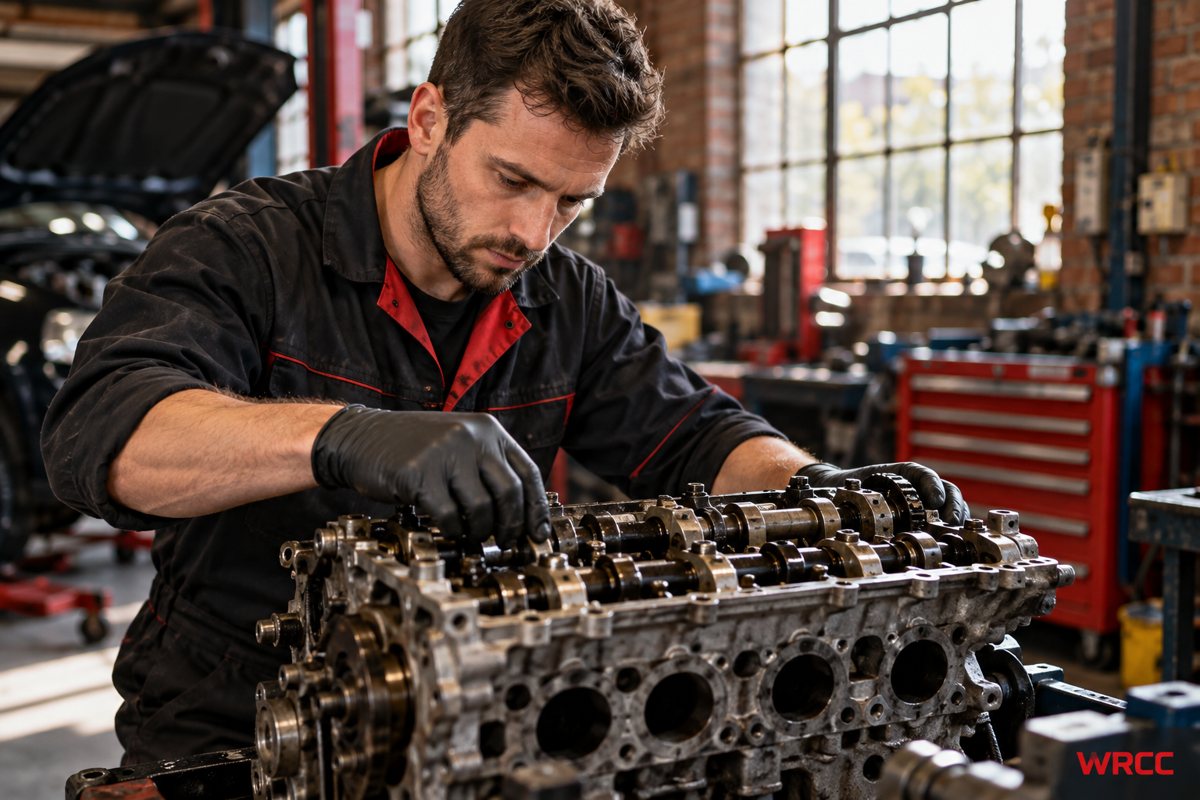
WRCC car services for Bromsgrove drivers: generated workshop illustration of local engine and maintenance enquiries

Areas We Cover

Bromsgrove workshop / Wider area enquiries

Expert car care, within reach.

Explore the areas we cover and find useful information for your next car service enquiry. WRCC welcomes drivers from Bromsgrove, Worcestershire and the wider Birmingham area, with all appointments at our Bromsgrove workshop.

A better prepared enquiry

The right information makes the next step clearer.

A car service enquiry should begin with your vehicle, not a generic repair assumption. Tell WRCC the registration, current mileage and the maintenance or fault you want to discuss. If there are symptoms, explain when they first appeared and when you notice them.

Bring together the records that relate to the issue: service invoices, timing replacement details and existing inspection findings. An unusual sound, cooling concern or warning message may have more than one cause, so written information helps distinguish observations from an established diagnosis.

Our area guides explore different ways to prepare, from engine rebuild decisions and timing maintenance to air conditioning and seasonal checks. Use the guide that helps your enquiry, then speak directly with the Bromsgrove workshop about the vehicle and an appropriate next step.

Areas we cover: WRCC car services for Bromsgrove drivers: generated workshop illustration of local engine and maintenance enquiriesBromsgrove
Generated WRCC automotive illustration.
A clear next step

From first enquiry to an agreed visit.

01 / Get in touch

Tell us about the car

Share the registration, mileage and the service or symptom you want to discuss. Include relevant inspection findings if you have them.

02 / Discuss the scope

Understand the next step

Ask what information or assessment is needed and which work is being considered. A quotation should relate to your vehicle and the agreed scope.

03 / Plan the appointment

Confirm before travelling

All visits are to our Bromsgrove workshop. Agree availability and an appointment, and raise any concern about whether the vehicle can be driven.

Before you book

Your questions, answered.

Practical information for drivers across all 13 areas.

Do you have a workshop in every area listed?

No. WRCC serves these areas through its Bromsgrove workshop. The area pages help customers prepare enquiries; they do not describe separate branches. Contact WRCC to confirm an appointment before travelling.

Where are workshop appointments held?

All appointments are at WRCC’s Bromsgrove workshop. Contact the workshop to agree the purpose of the visit, availability and the appointment before travelling.

Which car services can I enquire about?

WRCC offers engine rebuilds, timing chain work, wet belt replacement and head gasket repair, alongside servicing, car inspections, engine changes, repair services, full car checks, oil changes, air conditioning and winter checks. Discuss the appropriate work for your vehicle directly with the workshop.

What are your opening hours and how do I get a quote?

WRCC is open Monday to Saturday, 10:00-20:00. Call 01527 337 128 or email info@wrcc.uk with your vehicle details. Quotations and appointments are agreed directly; prices are not displayed on the website.

7 vehicle-care options alongside specialist engine work

Areas we cover drivers include everyday maintenance as well as specialist engine enquiries. These seven service categories help you describe the work you want to discuss. All work is arranged through WRCC's Bromsgrove workshop, with a quote for your individual vehicle.
Choose the service that matches your enquiry

  • Car Inspection. Explain the concern, any warning messages and when you first noticed it.
  • Engine Change. Share the registration, engine details and any existing assessment before discussing replacement options.
  • Repair Service. Describe the fault and any previous repair work so the discussion has a clear starting point.
  • Full Car Check. Mention the vehicle's history and the concerns you want to raise during a broader condition enquiry.
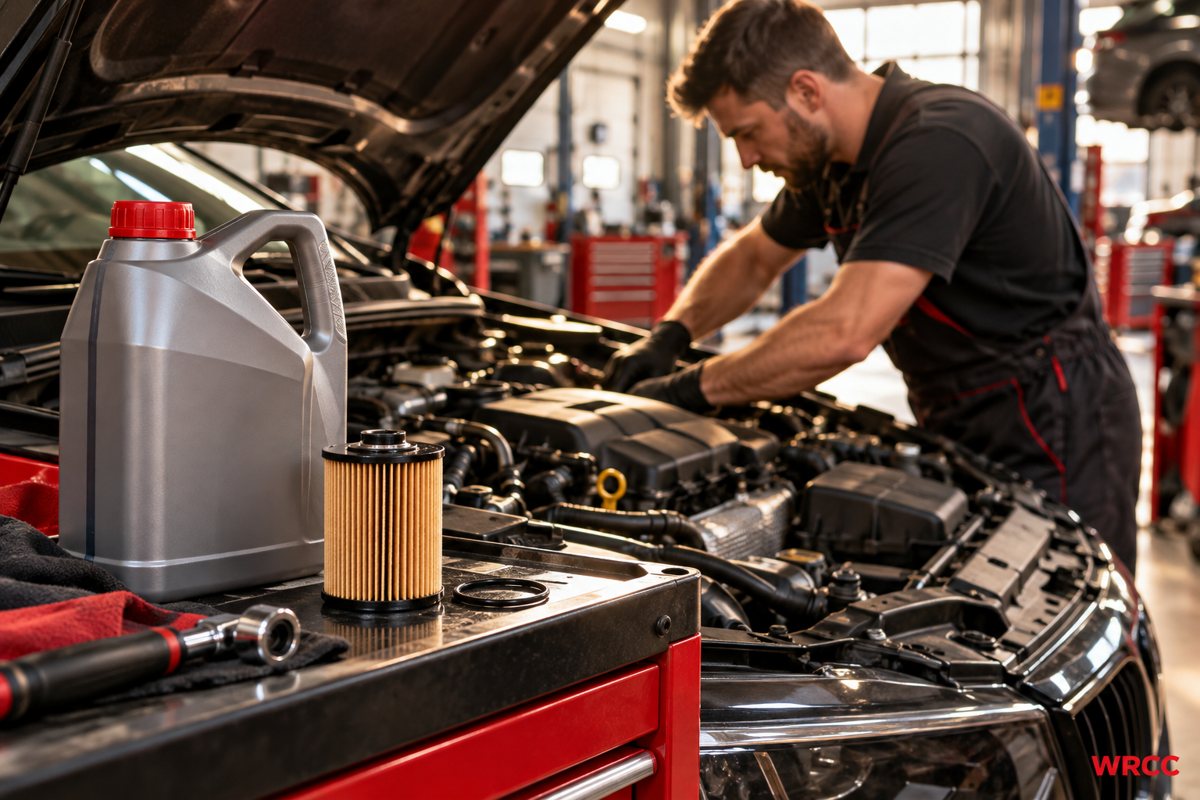
  • Oil Change. Bring the mileage and oil-service history; the requirements depend on the particular engine.
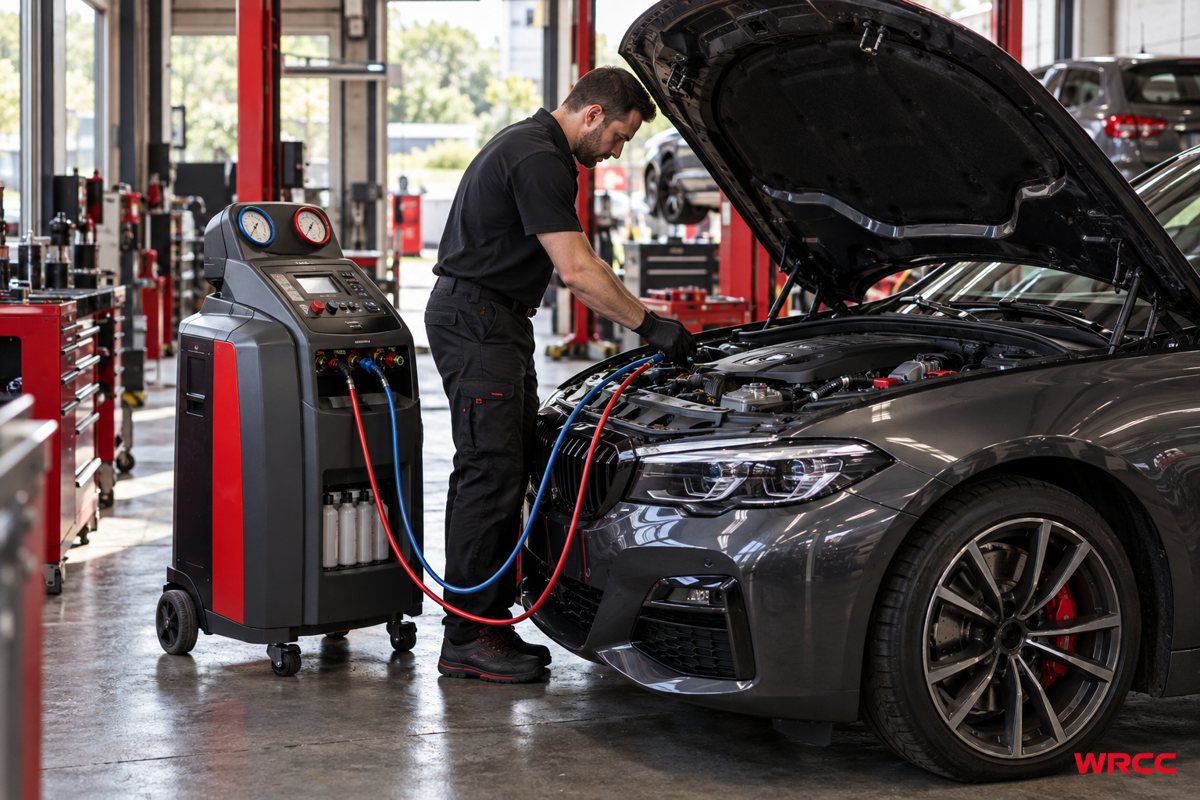
  • Air Conditioning. Describe changes in cooling performance and any previous work on the system.
  • Winter Checks. Discuss seasonal preparation and the checks relevant to your car and its use.
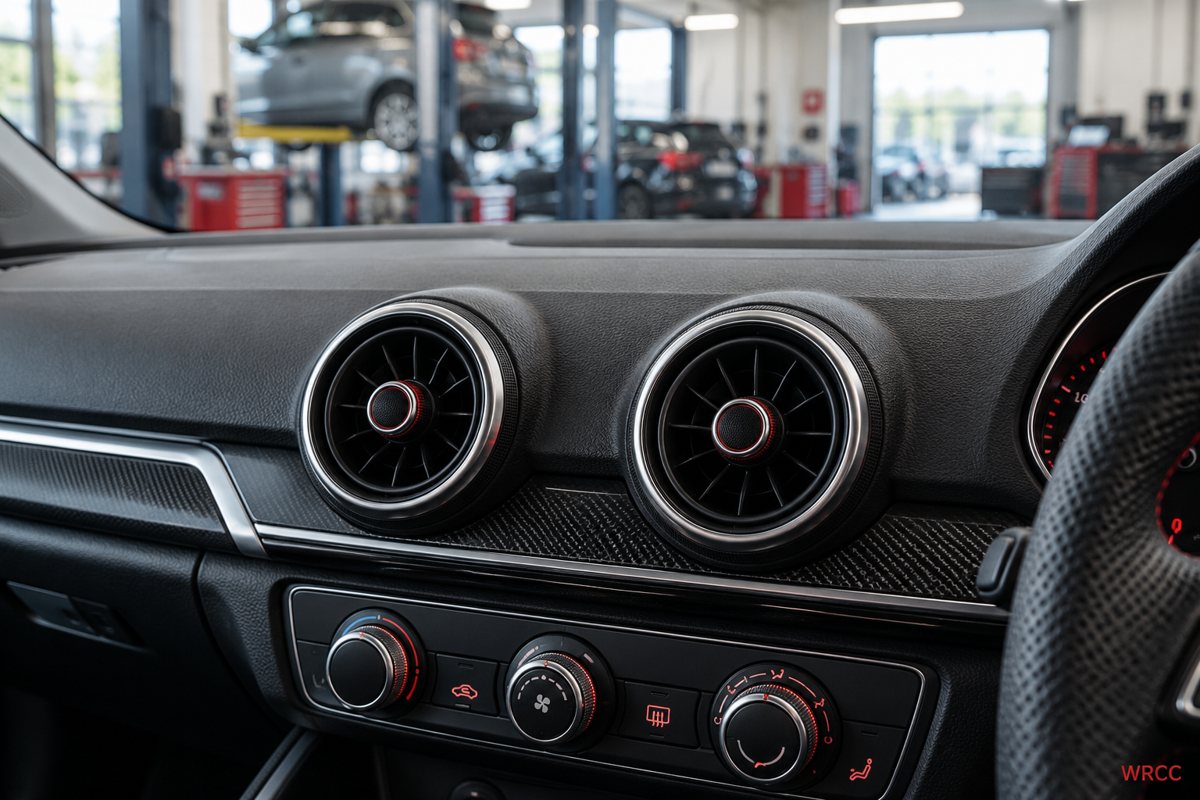
Areas we cover: air conditioning service illustration
Air conditioning enquiries. Generated WRCC service illustration.
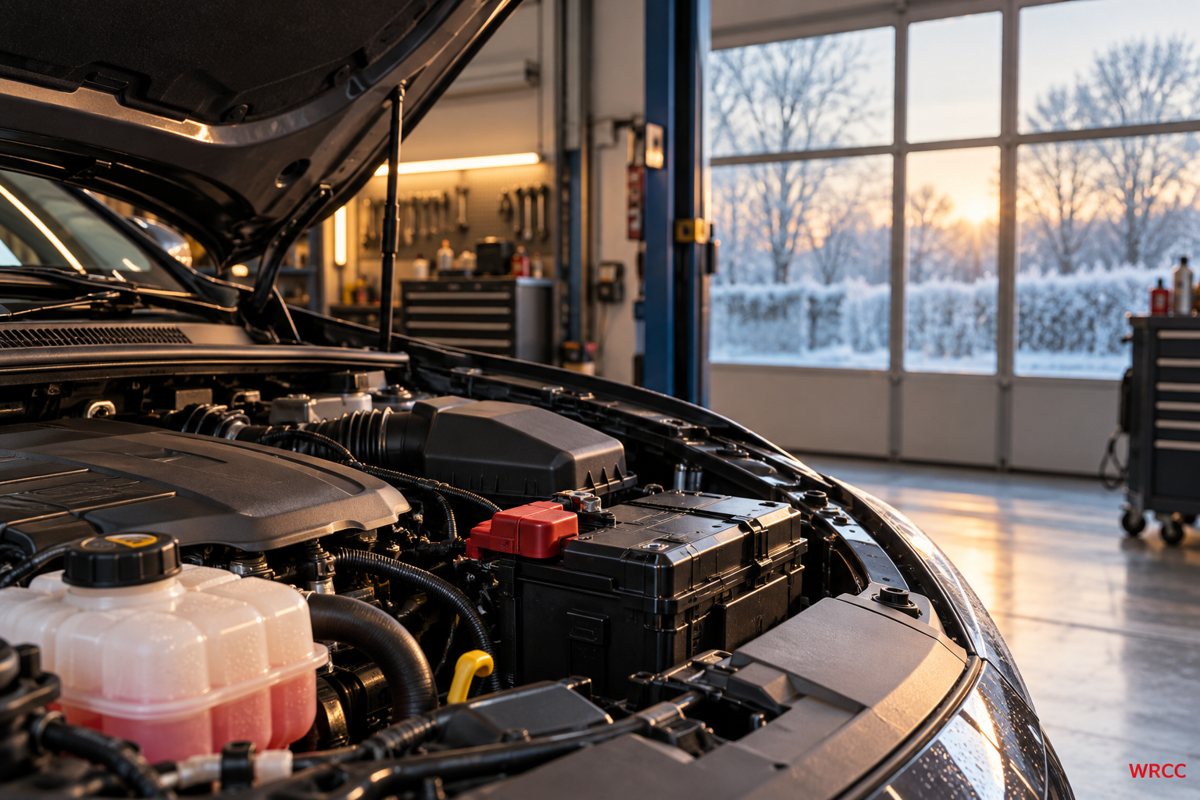
Areas we cover: winter vehicle check illustration
Winter preparation enquiries. Generated WRCC service illustration.

A clearer plan for local vehicle care

When comparing areas we cover, begin with the written work description rather than a broad service label. Give the team your registration and mileage, then explain whether you want routine maintenance or help with a particular engine concern. Keep invoices and earlier assessments together so you can describe what is already known.

For areas we cover involving an engine that has already been removed or assessed elsewhere, explain that before arranging a visit. The location of the car, available records and the work already completed are useful practical details. Ask what information the workshop needs next rather than assuming that every enquiry follows the same process.

Confirm the next step before visiting

Areas we cover are discussed directly with WRCC. Call 01527 337 128 or send a written enquiry with a short vehicle summary. The opening hours are Monday-Saturday, 10:00-20:00. Contact the team to confirm appointment availability and the practical arrangements for your car.

The full service guide explains the general categories, while the specialist pages cover engine rebuilds, timing chains, wet belts and head gaskets. These pages help you prepare questions; the agreed proposal defines the actual work.

Prepare a useful enquiry about areas we cover

Use this practical guide to organise your vehicle information, choose a service topic and plan the next conversation. WRCC handles enquiries through its Bromsgrove workshop. Open the topics that relate to your car; you do not need a diagnosis before getting in touch.

Should I ask about maintenance or a repair?

Begin with what prompted the enquiry. A planned oil change, a concern about cooling performance and an engine noise are different starting points. Explain the reason in ordinary language before choosing a service label. If you want maintenance and help with a fault at the same time, describe both. This gives the team a clearer picture than a request for a broad check with no explanation of the concern.

For areas we cover, the useful distinction is between the work you already know you want and an issue that still needs to be discussed. The service overview helps you identify the available categories. Specialist engine pages provide more detail about rebuilds, timing chains, wet belts and head gaskets. Read the relevant guide, then ask how it relates to your particular vehicle.

Which vehicle details should I have ready?

Have the registration, make, model and current mileage available. Include the engine details if you know them, especially for a timing-system or internal-engine enquiry. Mention an engine replacement or earlier specialist work because the history can affect which information is relevant. If you are uncertain about a specification, say so. A guessed engine code or approximate repair description can make the conversation harder to follow.

A short written summary is useful when enquiring about areas we cover. Put the vehicle identification first, followed by the reason for contacting WRCC and any known history. Keep unrelated details separate. If another garage has supplied an assessment, preserve its wording and explain what work has actually been carried out. This separates an observed problem from a suggestion that has not yet been checked.

How do I describe an intermittent engine concern?

Describe when it happens, how often it happens and what you notice. For a noise, say whether it occurs when starting, at idle or during a journey. For a performance concern, explain the change compared with the car's usual behaviour. Include any warning message exactly as it appears if you have recorded it. The aim is to share a useful sequence of observations rather than to name a part yourself.

When arranging areas we cover, mention whether the car is currently being driven, parked at home or already at another workshop. Explain any recent change in its condition before discussing a visit. If you are unsure whether it should be moved, ask about the next step and suitable assessment. Do not assume that a website enquiry itself confirms that driving the vehicle is appropriate.

Which maintenance records are useful?

Keep dated invoices, recorded mileage and previous repair descriptions together. An invoice that identifies the work is more useful than a general note that the engine was serviced. Bring the oil-change history where available and explain any gaps rather than filling them with assumptions. If the vehicle has changed hands, identify which records came with it and which information you can confirm from your own ownership.

These records support areas we cover by showing the known background of the individual car. A manufacturer's handbook is the starting point for vehicle-specific maintenance requirements; a general page cannot provide one schedule for every engine. You can also use the GOV.UK MOT history service to review recorded test results and mileage. Keep test history alongside maintenance invoices rather than treating them as the same record.

How should I discuss engine and timing-system work?

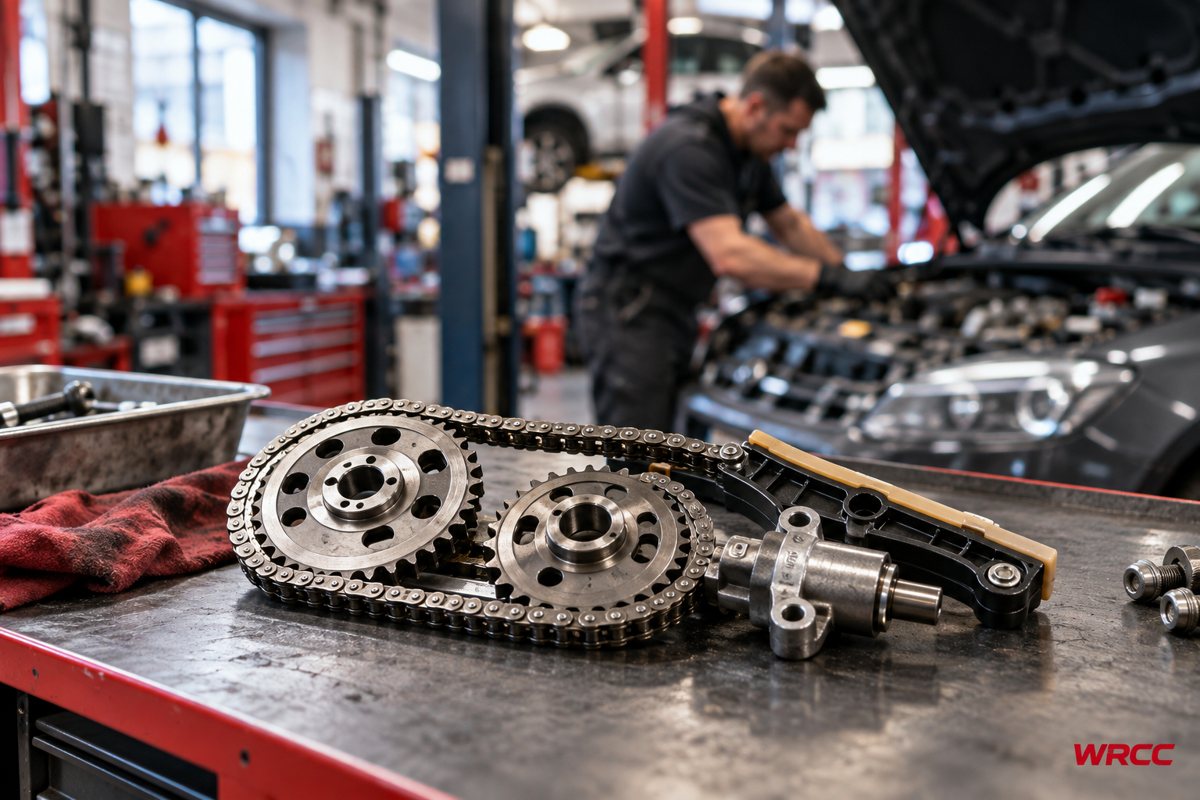
Start with the vehicle's symptoms and the work already completed. An engine rebuild, engine change, timing-chain enquiry, wet-belt enquiry and head-gasket enquiry have different purposes. The right discussion depends on the car and the available information. Tell WRCC if parts have already been removed, if another workshop has assessed the engine or if you have a written description of the suggested work.

The specialist guides linked from this page help you prepare for areas we cover involving the engine. They explain the topics you can raise without promising that every concern has the same cause. Keep questions specific: which details are needed, what assessment information is available and what happens next? A clear enquiry makes it easier to connect the work being discussed with the vehicle you actually have.

What should a service proposal make clear?

Ask for a clear description of the proposed work and the arrangements that apply to your enquiry. A service category is a starting point, while the individual proposal explains the scope. If two descriptions seem different, compare the included work before assuming they are equivalent. Ask about any separately requested maintenance and anything that needs clarification before deciding on the next step.

WRCC provides vehicle-specific quotes for areas we cover. The website does not publish fixed service prices because the appropriate discussion depends on the car and the requested work. Keep the proposal with the supporting information and confirm anything you do not understand. If the circumstances change or new findings are raised, ask how they affect the work being discussed rather than relying on an earlier general description.

What should I confirm before travelling to Bromsgrove?

Contact the team before making the journey. Confirm appointment availability, the vehicle's current location and any practical arrangements you need to make. Tell WRCC if the car is not driveable or is at another workshop so that transport can be discussed accurately. Do not assume that collection, recovery or delivery is included in a service enquiry. An online message introduces the request; it does not reserve an appointment by itself.

All areas we cover on this website are arranged through the Bromsgrove workshop. The listed hours are Monday-Saturday, 10:00-20:00. Ask the team for the details relevant to your visit and keep them with the appointment information. Planning the arrival, the supporting records and a way to stay in contact helps avoid uncertainty when the vehicle is ready for the agreed next step.

What should I keep after the work?

Retain the invoice, date, mileage and description of the completed work with the vehicle's maintenance records. Ask about any vehicle-specific aftercare information that applies to the job. A clear work description is useful for future enquiries and for a later owner because it identifies what was actually done. General website advice should not replace the information supplied for your own car.

If a new concern appears later, record what changed and when. Describe it clearly when contacting WRCC, with the registration and the relevant work history. Do not assume that every later symptom is automatically related to an earlier repair. Accurate observations help the next conversation start with the current situation. This record-keeping approach supports routine maintenance as well as future specialist engine enquiries.

Make your first message easy to follow

A clear enquiry does not need technical language. Start with the registration and the reason for contacting WRCC, then put the relevant details in a simple order. If you are asking about areas we cover, identify the service or concern rather than combining several unrelated questions in one sentence.

Useful information includes when the concern began, the vehicle's current mileage, any recent maintenance and whether another workshop has already examined it. Say which documents you have available. When there is no record of a particular job, explain that instead of assuming it was completed by a previous owner. Known facts and unanswered questions can be kept separate.

You can send an initial summary before choosing the final repair category. An enquiry about a noise or a change in cooling performance is still useful when you do not know its cause. The next conversation can focus on the information needed for the individual car. Refer to the specialist pages when they match the topic, and keep the service overview available for everyday vehicle care.

A practical message checklist

  • Vehicle registration, make, model and mileage.
  • The service you want to discuss or the change you have noticed.
  • When the issue appears and any recorded warning message.
  • Relevant invoices, maintenance history or assessment documents.
  • The current location and condition of the vehicle.
  • Your preferred contact details and the question you want answered next.

For areas we cover, a short subject line helps identify the enquiry when you email info@wrcc.uk. Keep copies of the information you send so it is available during a follow-up call. If a document needs explanation, say what it contains and ask how best to share it.

Use the Contact page when you are ready to introduce the vehicle. Confirm the service scope and any appointment arrangements directly with WRCC. This connects the general information on the website with the practical next step for your own car.

WRCC / Worcester Road Car Care

Let’s talk about your car.

Serving our service-area drivers through our Bromsgrove workshop.
Monday-Saturday, 10:00-20:00.