• Call Us Now
    01527337128

  • Hours
    Monday-Saturday, 10:00-20:00

Illustrative cylinder head and head gasket with WRCC watermark

Head Gasket Repair in Bromsgrove

Head Gasket Repair in Bromsgrove

Head gasket repair for your vehicle.

For head gasket repair in Bromsgrove, contact Worcester Road Car Care. Tell us about coolant loss, overheating or other engine concerns and provide your vehicle details.

The head gasket seals the joint between the cylinder head and engine block. It helps keep combustion gases, oil and coolant in their intended passages.
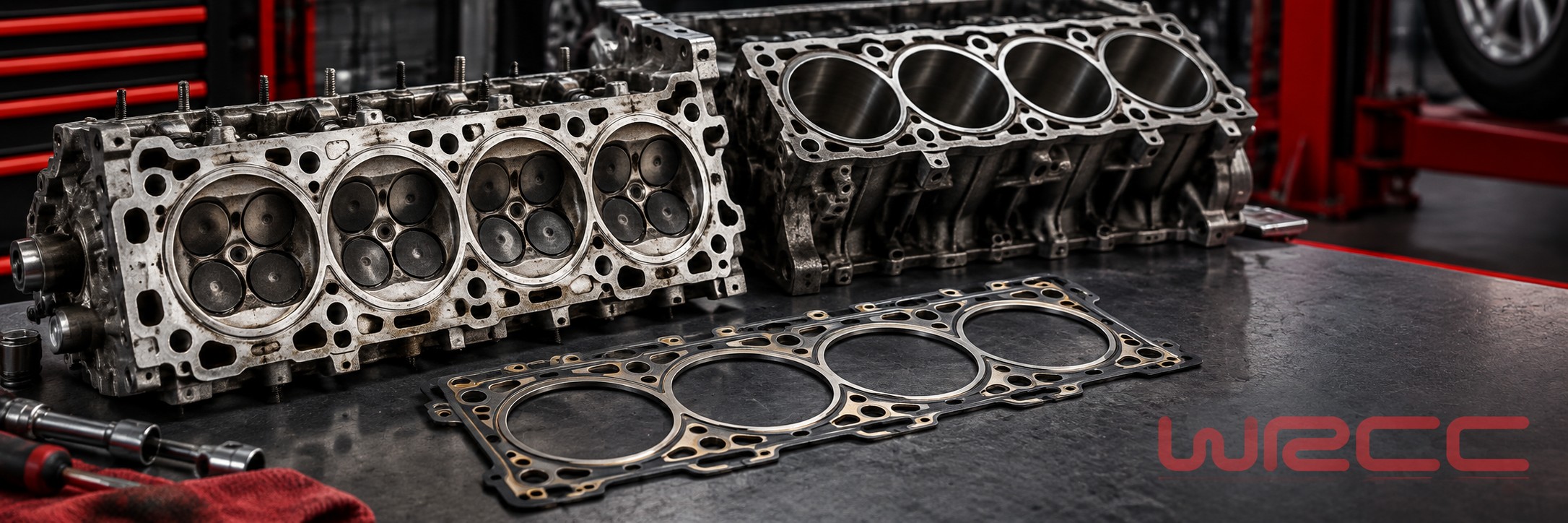
Illustrative head gasket and cylinder head repair with a WRCC watermark
Illustrative service image.

Symptoms that need an assessment

Coolant loss, overheating, persistent white exhaust smoke or oil contamination can indicate an engine problem. These symptoms can have different causes and do not prove a head gasket has failed.

Describe when the symptoms occur, whether the engine has overheated and whether any work has already been carried out. Existing test results and repair records are useful to share.

  • Changes in coolant level or engine temperature.
  • Smoke or unusual exhaust behaviour after the engine warms up.
  • Changes in performance or warning lights.
  • Previous cooling-system or cylinder-head repairs.
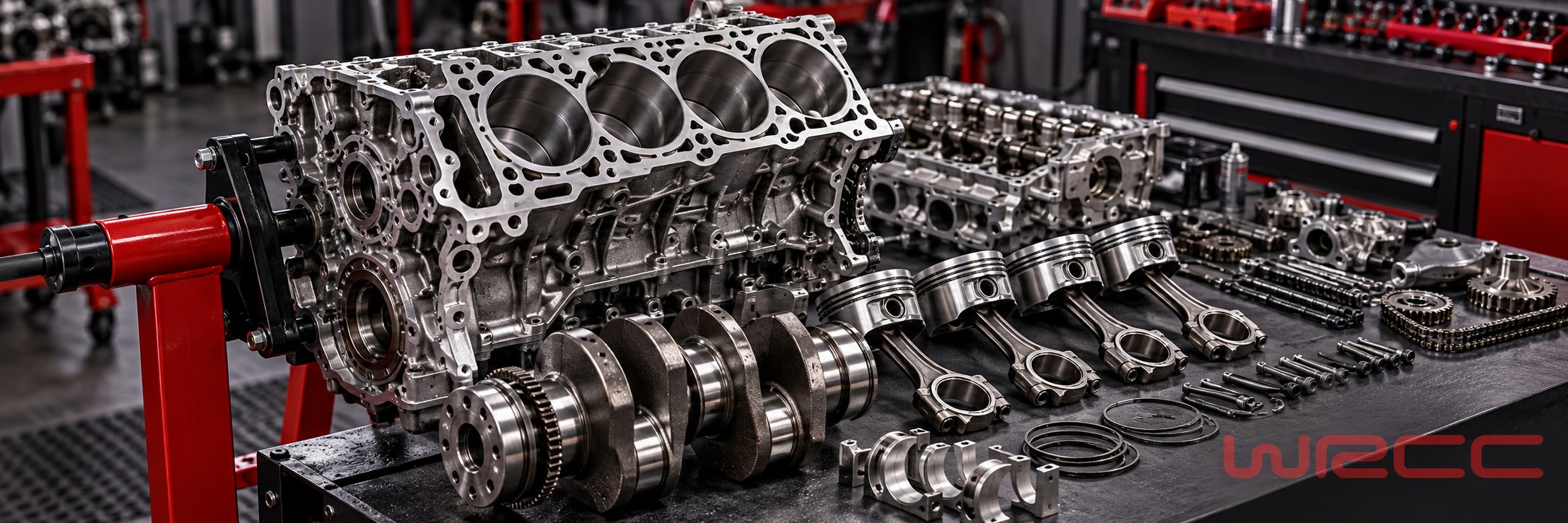
Illustrative engine components for discussing head gasket repairs
Illustrative service image.

Understanding the repair scope

A head gasket enquiry should consider the cause of the problem and the condition of the engine, rather than the gasket alone. Ask what assessment is needed and what work is proposed for your vehicle.

If a broader engine repair is being considered, our engine rebuilds page explains how to prepare for that conversation.

Questions about this service

Does overheating always mean head gasket failure?

No. Overheating can have several causes. A vehicle assessment is needed before deciding which repair is appropriate.

How much is head gasket repair?

The scope depends on the engine and any associated damage or work. Contact WRCC with your vehicle details for a specific enquiry.

What information should I send?

Include the registration, make, model, mileage, symptoms and any overheating history. Share service records and previous test results if available.

Related services

Discuss your vehicle with WRCC

Tell us your car’s registration, make, model, mileage and service history, along with the problem you have noticed. Worcester Road Car Care is based in Bromsgrove and serves customers across the Midlands and wider areas.

Opening hours: Monday–Saturday, 10:00 - 20:00.
Head gasket repair, explained.

Head gasket repair is a service to discuss using the vehicle’s history, reported symptoms and any assessment already available. Coolant loss, overheating or a change in how an engine runs can prompt an enquiry, but none of those observations on its own confirms a failed gasket. This guide helps owners prepare for a head gasket repair conversation with Worcester Road Car Care in Bromsgrove. It explains the information to collect and the questions that make a proposal easier to understand.

Read the full guidance

You do not need a technical diagnosis to contact WRCC. Give the registration, mileage and a clear account of what happened. Distinguish something you noticed from a conclusion given in an assessment. If you have written findings, retain their wording and date. The aim is to establish the next appropriate discussion for the individual car, rather than assume that every cooling or engine concern calls for the same repair.

The ten checks below cover history, scope, related services and practical arrangements. They do not supply a universal head gasket repair price, a promised completion time or instructions for working on the cooling system. Vehicle-specific assessment and manufacturer guidance remain important. The illustrative images help explain the service category and are not photographs of findings on your vehicle. General vehicle care services on the Services page are separate from a specialist gasket repair proposal.

Keep your main question visible as you work through the guide. You might be asking what information to provide after overheating, how to understand an existing recommendation or which scope is being proposed. Those questions are different from requesting a repair that has already been agreed. A brief written summary can help you distinguish the reason for the enquiry from the documents supporting it. Bring both to the conversation so that head gasket repair is discussed in the context of the individual engine, its history and the evidence available.

head gasket repair: cylinder head and gasket components illustration with WRCC watermark
Head gasket repair: cylinder head and gasket components. Illustrative image.

Head gasket repair: 1. Describe the event that prompted your enquiry

Start with what you noticed: a temperature warning, a change in coolant level, altered running or a previous workshop’s recommendation. Explain when it happened and whether it was sudden or developed over time. “The temperature warning appeared during a journey” gives different information from “the coolant level has gradually changed”. Use ordinary language and avoid presenting a head gasket diagnosis as your own conclusion unless you are passing on documented findings.

Record the sequence of events. Include when the symptom first appeared, what happened next and any work carried out afterwards. If several concerns are present, describe them together rather than deciding that each needs a separate repair. An engine problem can have more than one symptom, and a symptom can have several possible causes. The enquiry is most useful when observations are kept separate from assumptions about internal damage.

Read the full guidance

Do not make additional journeys or carry out improvised checks merely to provide a fuller description. Use information you already have and explain the current status of the vehicle. If safe use is uncertain, obtain appropriate advice and use the handbook rather than treating this webpage as permission to drive. Transport and arrival arrangements can be discussed as practical questions while the repair scope remains to be established.

head gasket repair: engine components and rebuilding illustration with WRCC watermark
Head gasket repair: engine components and rebuilding. Illustrative image.

Head gasket repair: 2. Explain the cooling and overheating history

For a head gasket repair enquiry, known cooling-system events are useful context. Note earlier overheating incidents, reported leaks, work on cooling components and any related assessments. Include dates and mileage where available. Keep the wording factual: explain what was noticed or repaired rather than assuming that an earlier event caused the present concern. The relationship between those events needs to be considered for the actual vehicle.

If fluid levels have changed, describe the observation without attempting to identify the cause from appearance alone. A general guide cannot determine which component is involved or assess the condition of the engine. Information from a workshop report is more useful when it includes the findings behind the recommendation. Share that report with the symptom history so that neither is taken out of context.

Read the full guidance

If the vehicle has been parked since an overheating event, state that. If it has already been repaired and a concern remains, explain which work was done and what changed afterwards. These details help distinguish an initial enquiry from a follow-up after another intervention. You do not need to supply a perfect history, but gaps should be marked as uncertain instead of filled with a guessed explanation.

Head gasket repair: 3. Provide the vehicle and engine details

Supply the registration, make, model, current mileage and engine information where known. Vehicles sharing a model name can use different engines, so the badge alone may not identify the work involved. Mention any previous engine change or significant internal repair. If you are unsure of an engine designation, use the details you have and ask what further information would help the discussion.

Collect relevant service invoices and maintenance records. A history of work can provide context for a head gasket concern, especially when several jobs have been carried out close together. Dates, mileage and original work descriptions are more useful than a general statement that the car has been serviced. Keep an invoice for a routine service separate from evidence of a particular cooling-system or cylinder-head repair.

Read the full guidance

For a recently purchased used car, distinguish documents supplied by the previous owner from verbal information. It is reasonable to state that a repair was reportedly completed but that no invoice is available. That uncertainty should remain visible in the enquiry. A simple chronological list of known work and missing records helps the team understand what information is available before discussing the next step.

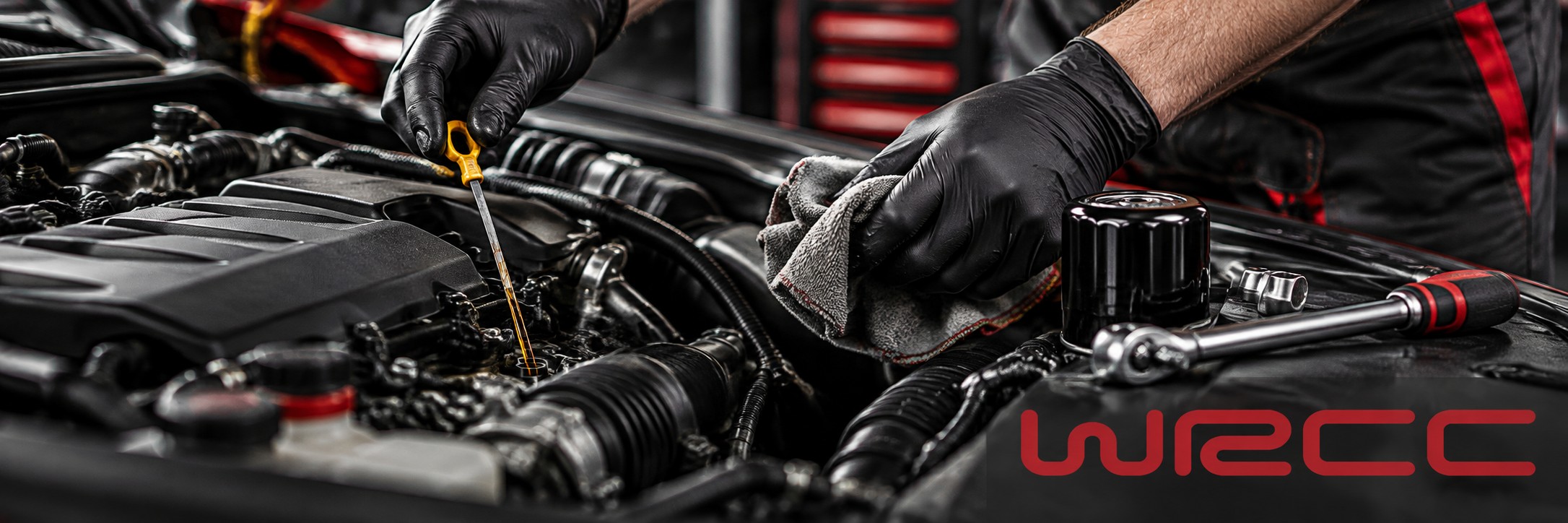
head gasket repair: vehicle maintenance and oil checks illustration with WRCC watermark
Head gasket repair: vehicle maintenance and oil checks. Illustrative image.

Head gasket repair: 4. Share assessments without turning codes into a diagnosis

If another workshop has recommended head gasket repair, obtain the written findings where possible. Share the report, its date and any work performed since it was produced. A statement that “the gasket needs doing” gives less context than the recorded reasons behind the recommendation. Keeping the original description helps distinguish a suspected issue from an assessment that has already identified a repair scope.

Diagnostic codes and photographs may be parts of a report, but they do not necessarily explain the complete engine condition on their own. Include them accurately and state when and by whom they were obtained. If the car has since been serviced or repaired, mention that sequence. Do not alter settings or clear information merely to prepare the enquiry; the existing context is valuable when reviewing what was recorded.

Read the full guidance

If no assessment has taken place, say that clearly. The first conversation can concern the appropriate next step rather than a confirmed request for a particular repair. This guide does not promise a specific test procedure for every vehicle. Assessment arrangements and the work needed to establish a proposal should be discussed for the individual car, using the information already available as a starting point.

5. Distinguish head gasket repair from wider engine rebuilding

Head gasket repair and a complete engine rebuild are different service discussions. A gasket-related proposal concerns an agreed scope around the identified problem; rebuilding can involve wider internal engine work. Which scope is appropriate depends on the findings and condition of the vehicle. An overheating concern does not by itself establish that a complete rebuild is needed, and a limited repair should not be assumed to resolve every possible engine issue.

Where wider work has been recommended, ask for the reasoning and share it with the enquiry. You can use the Engine Rebuilds page to understand how to prepare for that conversation. It helps to explain the outcome you are seeking-understanding the engine’s condition and repair options-rather than choosing several service categories as though all of them had already been assessed.

Read the full guidance

Timing-system work can also be relevant to an engine history. If there has been timing chain replacement or wet belt replacement, include the records with the other invoices. Those are separate service categories, not automatic additions to every gasket job. Any connection between them and the proposed work should be explained in the scope for your car.

head gasket repair: workshop and vehicle care illustration with WRCC watermark
Head gasket repair: workshop and vehicle care. Illustrative image.

6. Ask what the proposed head gasket repair covers

The service name does not define an identical parts and labour package for every engine. Ask which work, components and associated items are included in the individual proposal. A clear description makes the head gasket repair scope easier to understand and provides a useful basis for comparing another quotation. Two offers with the same heading may describe different work, particularly when the findings or vehicle details differ.

Ask whether an assessment is required before the final scope can be confirmed and how any additional findings would be communicated. Clarify what would need a further decision from you if the proposal changes. This webpage does not establish particular machining, testing, replacement parts or procedures. Those details need to come from the vehicle-specific discussion, rather than be inferred from an illustrative image or a general description of the service.

Read the full guidance

If you also want routine maintenance or another concern addressed, mention it separately. Several requests can be discussed together without assuming that one service includes all the others. The Car Services page explains the available general service categories. Ask which items are part of the agreed gasket repair and which would be separately described or charged.

7. Keep the price connected to the actual scope

Specialist head gasket repair needs a vehicle-specific price discussion. The service cards elsewhere on the website do not establish a complete gasket repair amount for every engine. In particular, a general Repair Service, Engine Change or Full Car Check offer should not be read as a specialist quote. Provide the car’s details and any assessment, then ask about the proposal that applies to your situation.

When comparing figures, match the work descriptions first. Check what parts, labour and related items each proposal includes. Ask about assessments, tax treatment or transport arrangements directly where they affect your decision, because these details cannot be inferred from a broad service category. Written information helps you review the scope and amount together and reduces the risk of relying on a number remembered without its context.

Read the full guidance

Your plans for the vehicle may be relevant to the wider decision. Explain whether you intend to keep the car, whether other work is known to be needed and what information you want before deciding. The website cannot assess the car’s financial value or promise that one repair route is always the best choice. A useful enquiry brings together the condition, findings and options to discuss for the individual vehicle.

head gasket repair: engine components and rebuilding illustration with WRCC watermark
Head gasket repair: engine components and rebuilding. Illustrative image.

8. Arrange contact and transport before travelling

Email info@wrcc.uk, call 01527 337 128 or use the Contact page to start a head gasket repair enquiry. Include whether the vehicle is running, parked or already at another workshop. A short summary followed by the relevant history is easier to follow than several disconnected messages. You can start with incomplete information, provided any uncertainty is clearly identified.

WRCC’s listed opening hours are Monday–Saturday, 10:00 - 20:00. Confirm appointment availability, directions and arrival arrangements directly, particularly if you are travelling to Bromsgrove from elsewhere in the Midlands or farther away. The opening hours do not guarantee an immediate appointment or a repair completion period. An online enquiry is not an automatic booking, and a service description is not confirmation that work has been accepted.

Read the full guidance

If the vehicle cannot be driven, ask which transport arrangements you need to make. Do not assume collection, recovery or delivery is included. Keep that practical discussion separate from diagnosis: the way a car reaches the workshop does not establish the engine’s condition. Record the arrangements provided by the team so that the location, timing and next step are understood before moving the vehicle.

9. Keep a clear record after the agreed repair

After agreed head gasket work, retain the invoice and description with the date and mileage. Ask about any wording you do not understand. The record should help a future owner or workshop distinguish the gasket repair from other maintenance performed at the same time. A broad note that the engine was “fixed” is less useful than the original description of what was carried out.

Follow the manufacturer’s guidance for the exact vehicle and any information supplied with the completed work. This guide does not establish universal aftercare instructions, service intervals or warranty conditions. Ask what applies to your own job. A repair does not remove the need to maintain the rest of the vehicle, and guidance for a different engine should not be treated as interchangeable simply because it also had a gasket concern.

Read the full guidance

If another issue develops later, note when it started and what you observed. Include the earlier repair record as context without assuming that the new concern is either necessarily connected or necessarily unrelated. That keeps the next discussion evidence-based. The Car Care Advice page includes further suggestions for organising records and describing changes in vehicle behaviour clearly.

head gasket repair: vehicle maintenance and oil checks illustration with WRCC watermark
Head gasket repair: vehicle maintenance and oil checks. Illustrative image.

10. Use reliable references and make the next enquiry

Manufacturer handbooks and official owner resources are the starting point for vehicle-specific maintenance requirements. An online head gasket repair guide explains useful questions but cannot assess the engine or replace those instructions. If you find conflicting information, keep the sources and ask about the uncertainty. It is better to bring a precise question to the conversation than rely on a universal claim that may not apply to your car.

The GOV.UK MOT history service can provide recorded mileage and past test information. It does not confirm that an engine or cooling-system repair was performed, so use it alongside invoices and reports. For general responsibilities around vehicle condition, see GOV.UK vehicle safety guidance. A current test certificate and an engine repair assessment answer different questions.

Read the full guidance

When you are ready, contact Worcester Road Car Care with the registration, history and concern you want to discuss. WRCC is based in Bromsgrove and serves customers across the Midlands and wider areas. Whether the next conversation concerns head gasket repair, assessment or a wider engine service, the aim is to understand the individual vehicle and the evidence available before relying on a particular repair scope or amount.

Let’s discuss your vehicle.

Share your registration, mileage and the work you want to discuss. WRCC is open Monday–Saturday, 10:00 - 20:00.